Category: Blog

  • DO SOLAR PANELS WORK DURING CLOUDY WEATHER?

    DO SOLAR PANELS WORK DURING CLOUDY WEATHER?

    Solar panels are excellent renewable energy solutions. However, if you’re thinking about investing in a solar array for your property, you may be wondering, “How does weather affect solar panels?”

    Solar panel systems provide peak efficiency on cool, sunny days when they can receive plenty of sunshine without excessive heat or humidity. Other weather conditions, such as cloud coverage and snow, can reduce the amount of power an array provides. Backup generators serve as extra energy sources that provide power when inclement weather affects solar panel performance.

    THE BEST TEMPERATURE FOR SOLAR PANEL EFFICIENCY

    Do solar panels work better in the cold? You may be surprised to learn the answer is yes. Contrary to popular belief, solar panels absorb energy from the sun’s light, not its heat.

    Sunlight consists of solar energy particles known as photons. Solar panels contain photovoltaic cells that collect photons and convert sunlight into electricity. When photon particles make contact with solar panel PV cells, electrons create an electric current that travels to an electric distribution box and supplies power to homes and other buildings. Temperature does not affect how much energy a solar panel receives, but it does impact how much power that energy will produce.

    As solar panels receive more heat, they produce less power from sunlight. Electrons are normally at rest, which means they carry low energy. Sunlight activates them and stimulates a higher energy output. A solar panel’s power production depends on the difference between an electron’s resting state and its sunlight-activated, high-energy phase.

    Heat also activates electrons and puts them in a high-energy state. Heated electrons will have high energy at rest, which reduces the difference between their resting and energized states, producing less power. Cold temperatures keep electrons in low energy states while they’re dormant, increasing the power they generate when sunlight activates them. That’s why solar panels perform best in cold weather.

    DO SOLAR PANELS WORK IN CLOUDY OR RAINY WEATHER?

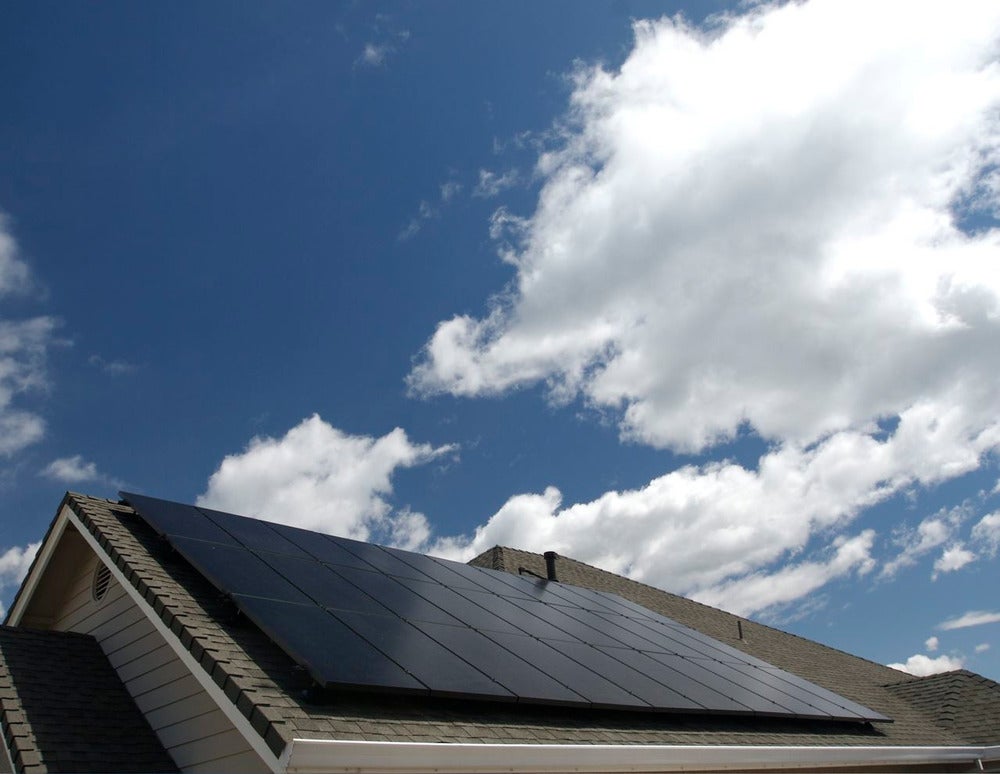
    Yes, solar panels can work on cloudy and rainy days, but not always at their peak performance. Their efficiency depends on the level of cloud coverage. Anything that blocks sunlight from solar panels can reduce their power production, including clouds, fog and shade from trees. However, solar panels can still receive sunlight on cloudy days. Clouds block some of the sun’s rays, but not all of them. A solar panel’s power production on cloudy days depends on the cloud coverage’s thickness.

    Partly Cloudy Days

    On a cloudy day, a solar panel can typically produce 10 to 25% of its typical power capacity. This percentage can vary based on the solar panel’s efficiency and the cloud coverage level. Solar electricity production can also intensify for brief moments on cloudy days due to the “edge-of-cloud” effect, which occurs when cumulus clouds pass by the sun and their edges magnify sunlight, causing more powerful sunlight beams to reach solar panel surfaces.

    Overcast Days

    Solar panels can produce electricity on cloudy days, but not always on overcast days. If an overcast day occurs, you can determine whether your system is producing energy by checking for shadows outside. Your system is most likely generating power to some extent if you can see objects casting shadows. The absence of shadows indicates the cloud coverage is too thick for sunlight to reach your solar panels.

    CAN SOLAR PANELS WORK IN THE RAIN OR SNOW

    Solar panels can still operate in the rain, but their power output depends on cloud coverage. Heavy rain clouds will most likely hinder energy production, but rainfall provides a safe and easy way to clean solar panels. Rainfall can rinse solar panel surfaces, preventing layers of dirt and debris from forming and blocking future sunlight. Your solar power system may store less energy when it rains but it will clean your panel surfaces and relieve you of this maintenance task.

    Snow can hinder solar energy production more than rain and cloud coverage because it accumulates on panel surfaces and blocks light. However, snow will eventually melt and slide off panels, depending on their tilt and the weather conditions following a snowstorm.

    EFFECT OF WIND ON SOLAR PANELS

    Heat reduces the power solar panels can produce from sunlight. However, wind can help increase solar panels’ energy production by keeping them cool and reducing humidity. The wind cools solar panels the same way it refreshes us on a hot day. Wind won’t significantly affect a solar panel’s power efficiency, but it will make a minor difference that adds up over time.

    Wind also whisks humidity off solar panels. Humidity causes small water droplets to accumulate on solar panel surfaces, similar to sweat beads on our skin. These water droplets can refract or reflect sunlight away from solar panel cells, decreasing the amount of sunlight that reaches them. Consistent humidity in areas with tropical climates can also damage some solar panels over time, shortening their lifespan. Wind helps dry moisture from solar panels on humid days and cool panel surfaces on hot days.

    BACKUP SOLAR POWER

    Clouds, hot temperatures, rain and snow can minimize the amount of solar energy that reaches solar panels, significantly decrease a solar panel’s power production. However, there is a solution. Homes and businesses can still rely on solar power even on days with inclement weather. Commercial generators and home service backup generators can provide energy when weather conditions compromise solar panels’ efficiency.

    Backup generators operate on propane, gasoline or diesel. They pair well with solar panels because they provide supplemental electricity, ensuring your lights and appliances continue to operate even on rainy, cloudy or snowy days.
  • DO SOLAR PANELS SAVE PEOPLE MONEY?

    DO SOLAR PANELS SAVE PEOPLE MONEY?

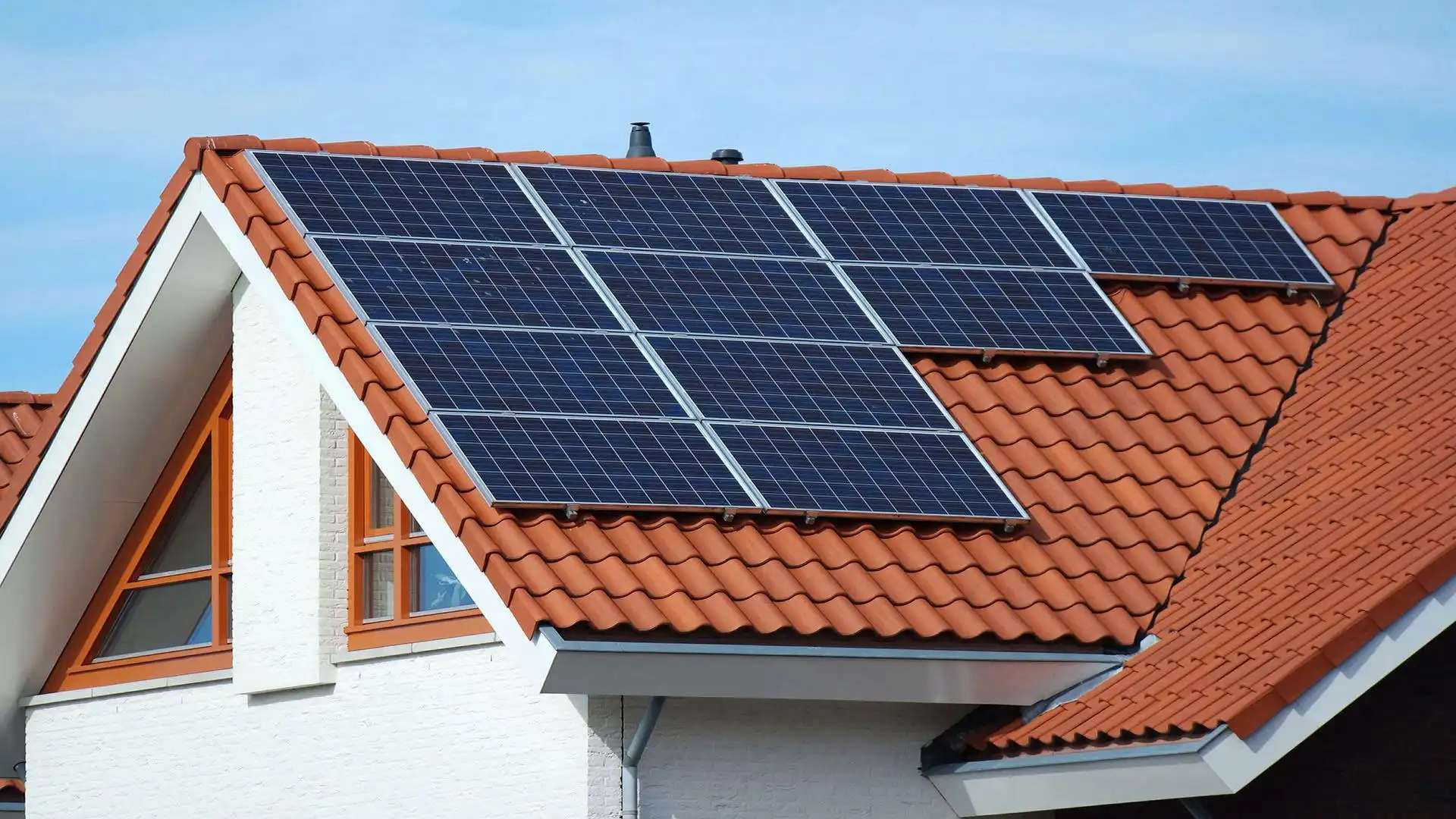
    Solar panels can be costly to install, leaving some homeowners wondering, ‘do solar panels save money?’ Over the long term or maybe even short term, solar panels should pay for themself and save you money. In addition, they are environmentally friendly. When calculating the cost and savings that solar panels offer, you should consider tax rebates and other incentives. So, how much money do solar panels save? Keep reading to find out.

    How much money is saved on average by using solar panels?

    You may have heard about all the incredible benefits of solar panels from neighbors, friends, and/or online. Still, the essential use that people often mention is the cost savings on a monthly electric bill. So, how much money is saved by the average household that installs solar panels on their home? To quantify how much money the average homeowner saves when installing solar panels, we need to determine how much total electricity is consumed each year. The average residential utility customer in Kenya uses around 10,694 kWh per year. That is an average of 877 kWh per month. If we take the national average rate of sh16.9 per kWh and multiply it by 10,694 kWh, we can see that the average household in Kenya could save up to save up to sh180,728 per year in energy costs by installing a properly sized solar panel system. That is over sh14,950 a month in savings.

    How long does it take to see savings on energy bills with solar panels?

    Once a solar panel installation is fully functional, you may see savings on your next month’s energy bill. However, it can take some years to recoup your initial investment costs. Using the national average figures we used in the example above, and if a household is saving sh14,950 a year on energy costs, you can take the total cost of the initial investment and divide it by sh14,950 to see how many years it will take to make your money back. After your initial investment has been recouped, everything after that will be a profit, minus any costs associated with maintenance or repair to the solar panel system.

    If you look at the national average costs associated with installing a 6-kilowatt solar panel electrical system, which is sh359 per watt as of July 2021, then the average cost for a 6-kilowatt solar installation is around sh2,164,500.By dividing the total cost of sh1,593,020 by the yearly savings of sh180,729 you can then figure that it would take just under 9-years to see a total return on your investment.

    This is why you may want to make sure you will be living in your home for a long time before installing solar panels. Otherwise, you will need to pass the remaining costs off to the buyer. This could potentially increase the amount of time it takes to sell your home, depending on where you live and how popular solar is in the area.

    What affects cost savings with solar panels?

    The main factor that affects cost savings when it comes to solar panels is the size of the solar system. The larger the system, the larger the savings. At a certain point, an extensive enough solar system can produce enough electricity to power the entire home with energy to spare. In that case, the surplus can be sold back to the power company. Although large solar systems have more significant cost savings, you still must consider that a more extensive solar system will have a higher upfront cost.

    How much does it cost to install solar panels?

    In 2021, the average cost of a solar panel installation was around sh1,560,000. Smaller solar panel installations can cost as low as sh650,000 whereas larger solar installations with the most advanced solar panels can cost upwards of sh5,200,000or more.

    What are the advantages of solar panels?

    There are many advantages that solar panels offer. Advantages include reducing a monthly electricity bill, low maintenance costs, and the benefits to the environment that solar can provide as a renewable energy source. These are all reasons that can persuade someone to install solar panels on their home. Here is a closer look at these advantages in more detail:

    • Reduction and/or elimination of electricity bill: Depending on how much of your energy needs can be met by the newly installed solar system, you could dramatically reduce or eliminate your monthly electricity bill. If you happen to generate more electricity than you use, you may be able to sell the surplus energy back to the power company in some regions.
    • Low maintenance costs: Maintenance on solar panels is highly minimal. Cleaning the solar panels a few times a year and replacing the inverter every 5 to 10 years are the only maintenance requirements. Additionally, many solar panel manufacturers offer 20 to 25-year warranties.
    • Environmental benefits: Solar panels can provide all the energy you need for your home without using power generated from burning fossil fuels like coal, oil, and natural gas. Utilizing solar energy can reduce your carbon footprint and help slow the harmful effects of climate change and global warming.

    What are the disadvantages of solar panels?

    Since we discuss the advantages of solar panels, it is only fair we also include the disadvantages. The main disadvantages of solar panels are the upfront costs, the weather dependency, and the fact that they take up a lot of space. Let us take a deeper dive into these three main disadvantages:

    • Upfront costs: Covering the solar panels, inverter, batteries, wiring, and a professional installation is not cheap. Many people take on a personal loan or a home equity line of credit to pay for these costs. However, it is essential to note that you will recoup 100 percent of your investment and eventually turn a profit by reducing and/or eliminating your monthly electric bill.
    • Weather dependency: The time your solar panels are the most productive is limited. Most places only have a few hours of peak sunlight hours, and if it is raining, cloudy you may notice a sizable difference in solar energy capacity.
    • Takes up a lot of space: Solar panels take up a considerable amount of space, and if you want to install an extensive solar system, your roof may not be large enough to accommodate all the solar panels.

    From these three main disadvantages, the one that seems to get most people’s attention is the upfront costs. As solar energy and solar installations become less expensive, this will help persuade more people to become energy independent through solar technology

    What are alternatives to solar panels?

    There are several solar alternatives out there on the market. Solar lights, sun tunnels, solar shingles, solar ovens, solar AC, and solar water heaters are just a few examples of how solar can be utilized in a home without installing a complete set of solar panels on your home.

  • HOW TO INSTALL SOLAR PANELS

    HOW TO INSTALL SOLAR PANELS

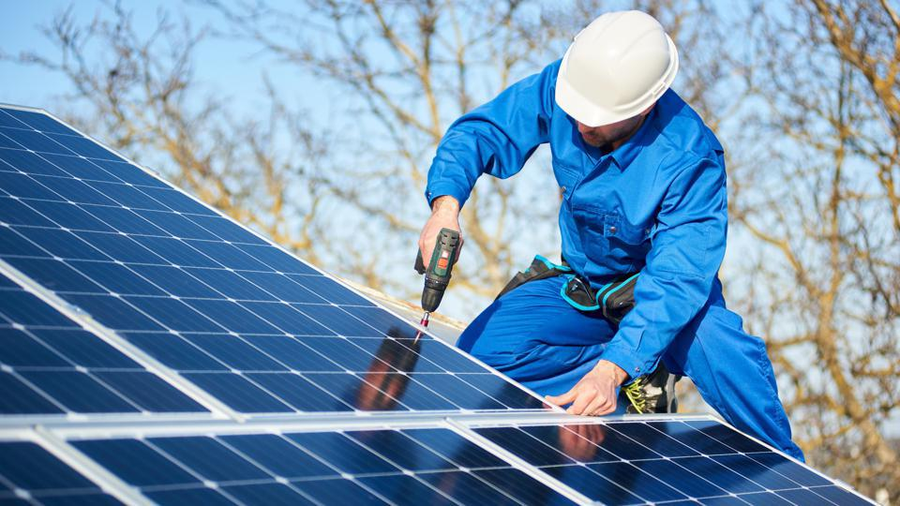
    Installing the best solar panels can save you money while also protecting the environment. Some systems allow independence from the electrical grid, or the ability to earn profits by selling power back to suppliers. Many people find relief in simply lowering their energy bills.

    When to Install Solar Panels

    Solar panels can be installed during any time of year. 

    Safety Considerations

    The components of a solar panel are bulky and often installed on a roof. Use extreme caution and fall protection when working on a roof. Be particularly cautious while bringing materials to the roof and while working near the edge.

    Installation of a solar system involves working with electricity. Follow all safety procedures regarding the installation of electrical components.

    Tools

    • -Tape measure
    • -Pencil or marker
    • -Drill with bits
    • -Chalk line
    • -Wrench set
    • -Screwdrivers
    • -Metal cutting saw
    • -Electrical wiring tools

    Materials

    • -Photovoltaic panels
    • -Racking system
    • -Roof sealant (roofing tar or silicone)
    • -Power inverter
    • -Batteries
    • -Charge controller
    • -Energy meter (optional)
    • -Heat sink (if needed)
    • -Electrical wiring components

    Instructions

    A solar panel is really a  collection of solar photovoltaic panels (PV panels). Those panels are connected to several components that are used to control sun-generated energy.

    There are many things to consider regarding solar power for your home. If you’re thinking about installing your own solar panel, you may want to start by hiring a solar energy consultant. They’ll have all the information you’ll need to help make decisions about your project. A hired contractor, on the other hand, will have their own experts to help you make decisions.

    A consultant can also direct you to specific manufacturers that best meet your needs.

    1. Check for Compatibility

    To get started, make sure your home is ready to accept a solar energy system. Find out if your roof is large enough, or if you have room to place the panels at ground level. You may need to remove trees or trim branches. Your electrical panel might need upgrading. Be sure your roof is in good shape and won’t need to be replaced soon.

    2. Select the Size

    Once you know that your home is compatible, decide what you would like your system to provide. You can use the energy to simply run lighting or a few appliances, you can create enough energy to sell some back to the power company or anything in between.

    3. Get Permits

    Apply for a building permit for your locality. Some areas may also require a separate
    electrical permit. Oftentimes, waiting for the permits to be approved, and scheduling the subsequent inspections, are the most time-consuming parts of the project.

    4. Preparation

    Because solar panel requirements vary greatly depending on needs and locations, solar panel components that are unique to your project often need to be ordered from a retailer. Order everything you’ll need at one time, if possible, to ensure all of the
    materials are compatible with each other.

    5. Install Racking System

    Measure and mark a layout for the system on your roof or on the ground. Install the metal racking system, following manufacturer instructions. Seal any holes through roof shingles with roofing tar or silicone caulk.

    6. Install Panels

    Connect the PV panels to the racking using the supplied clamps to secure them in place. Then, wire each panel to the adjacent panels.

    7. Install Heat Sink

    A heat sink is a device used to reduce heat generated by the panels. They also increase the efficiency of the array. Heat sinks are often integrated into PV panels. If not, an external heat sink will need to be added.

    8. Install Charge Controller

    The charge controller sends electricity to where it is needed. It automatically allows electrical current to flow through the system or into the batteries for storage. Install it between the panels and battery bank.

    9. Install Battery Bank

    Generated energy that is not immediately used in your home will be stored in a battery bank for use when the sun is not shining. Wire the batteries together in series to essentially create one big battery.

    10. Install Power Inverter

    The power coming directly from your solar panel and batteries will be direct current (DC) electricity. It must be converted to alternating current (AC) for use in household wiring. For this purpose, install a power inverter after the batteries and power controller, and before the connection to the house.

    11. Install Energy Meter

    Most solar systems include the use of an energy meter. This device allows you to know how much electricity you are generating and using. It can also keep track of the amount of energy needed from, or sent back to, the electrical grid.

    12. Check Electrical

    Before wiring your new solar panel system to the house, be sure to double-check all wiring. Be certain to ground the system at the PV panels. There will need to be an electrical inspection performed by your municipal inspector at this point.

    13. Connect to Electrical Panel

    Wire the power inverter directly to the electrical panel following device instructions depending on how the system will be used.

    Things You Need to Know Before Installing Solar Panels

    Solar panels are a considerable investment that require a long-term commitment. Therefore, it’s essential to consider several factors to determine if the investment to go solar is worth it.

    Your Power Needs

    Before installing solar panels, assessing your current and future power needs is crucial. Consider your average electricity consumption over the past year and any changes you expect in the future, such as adding more appliances or electric vehicles. Understanding your power requirements will help you determine the appropriate size and capacity of the solar panel system you need.

    Number of Sun Hours

    The amount of sunlight your home receives throughout the year is a crucial factor in the efficiency of your solar panels. Regions with more sun hours generally produce more electricity, making solar energy a more viable option. The average number of hours your area receives sun will give you an idea of how much energy you can expect to generate with solar panels.

    Size & Design of Your Home

    You’ll want to consider the size and layout of your solar panel system based on your home’s physical characteristics. If you have a lot of roof space, you can install large panels that will allow you to generate more electricity. On the other hand, if you have a smaller roof or a unique layout, you may have to install smaller panels.

    Roof Condition

    Before installing solar panels, it’s important to make sure your roof is in good condition. If you need repairs or replacement, addressing those issues before installing solar panels is best. Solar panel installation companies often perform a roof assessment before proceeding with the installation.

    Roof Strength

    When you’re thinking about installing a solar panel system, one of the most important things to consider is how it will affect your roof structurally. In order to ensure that your roof can handle the panels, it is recommended to have an assessment done by a professional. This will help you determine whether or not your roof has enough structural integrity to bear the weight of the solar panel system.

  • WHAT IS CLIMATE CHANGE?

    WHAT IS CLIMATE CHANGE?

    Climate change

    Key facts

    • Climate change is directly contributing to humanitarian emergencies from heatwaves, wildfires, floods, tropical storms and hurricanes and they are increasing in scale, frequency and intensity.
    • Research shows that 3.6 billion people already live in areas highly susceptible to climate change. Between 2030 and 2050, climate change is expected to cause approximately 250 000 additional deaths per year, from undernutrition, malaria, diarrhoea and heat stress alone.
    • The direct damage costs to health (excluding costs in health-determining sectors such as agriculture and water and sanitation) is estimated to be between US$ 2–4 billion per year by 2030.
    • Areas with weak health infrastructure – mostly in developing countries – will be the least able to cope without assistance to prepare and respond.
    • Reducing emissions of greenhouse gases through better transport, food and energy use choices can result in very large gains for health, particularly through reduced air pollution.

    Overview

    Climate change presents a fundamental threat to human health. It affects the physical environment as well as all aspects of both natural and human systems – including social and economic conditions and the functioning of health systems. It is therefore a threat multiplier, undermining and potentially reversing decades of health progress. As climatic conditions change, more frequent and intensifying weather and climate events are observed, including storms, extreme heat, floods, droughts and wildfires. These weather and climate hazards affect health both directly and indirectly, increasing the risk of deaths, noncommunicable diseases, the emergence and spread of infectious diseases, and health emergencies.

    Climate change is also having an impact on our health workforce and infrastructure, reducing capacity to provide universal health coverage (UHC). More fundamentally, climate shocks and growing stresses such as changing temperature and precipitation patterns, drought, floods and rising sea levels degrade the environmental and social determinants of physical and mental health. All aspects of health are affected by climate change, from clean air, water and soil to food systems and livelihoods. Further delay in tackling climate change will increase health risks, undermine decades of improvements in global health, and contravene our collective commitments to ensure the human right to health for all

    Climate change impacts on health

    The Intergovernmental Panel on Climate Change’s (IPCC) Sixth Assessment Report (AR6) concluded that climate risks are appearing faster and will become more severe sooner than previously expected, and it will be harder to adapt with increased global heating.

    It further reveals that 3.6 billion people already live in areas highly susceptible to climate change. Despite contributing minimally to global emissions, low-income countries and small island developing states (SIDS) endure the harshest health impacts. In vulnerable regions, the death rate from extreme weather events in the last decade was 15 times higher than in less vulnerable ones.

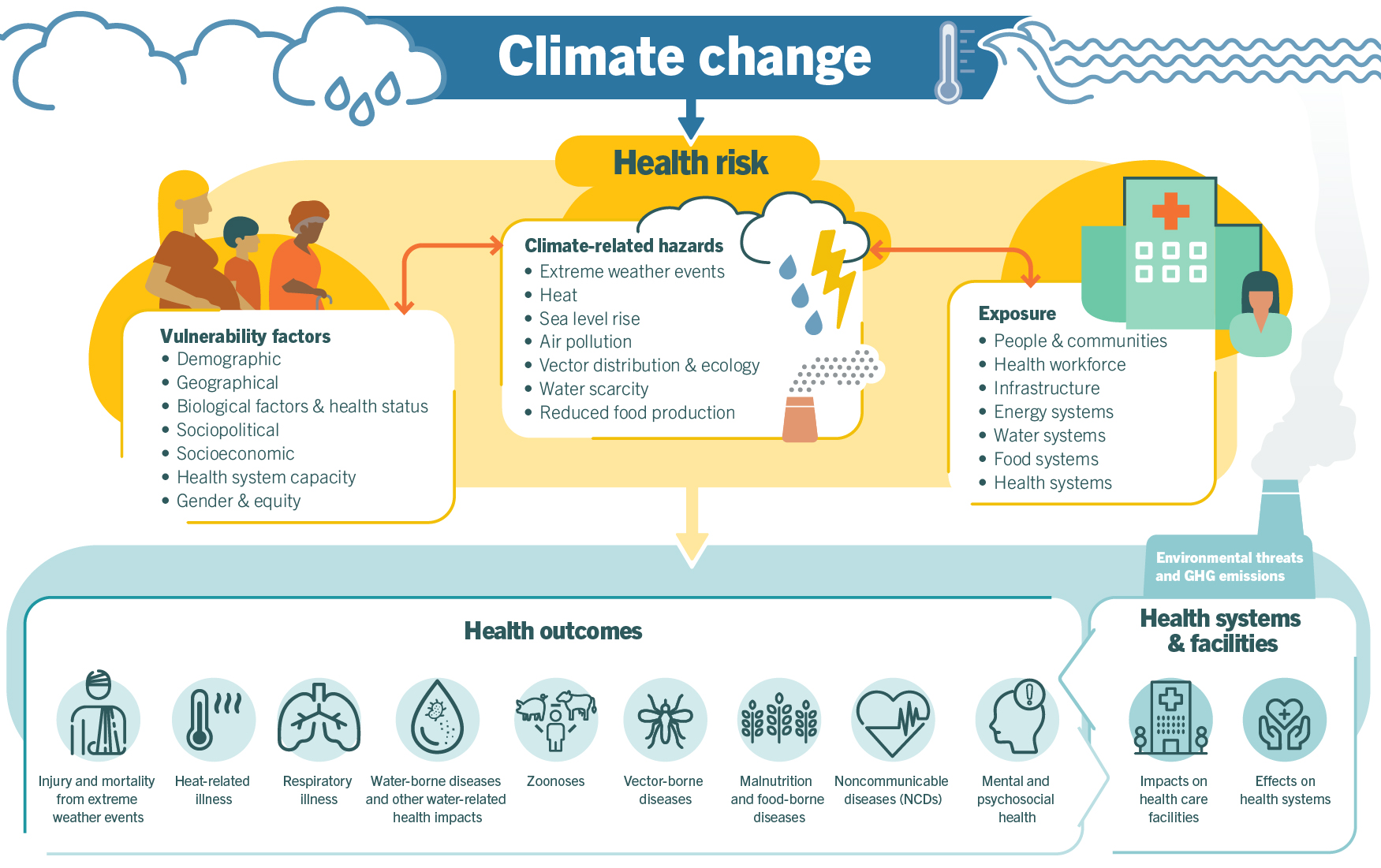
    Climate change is impacting health in a myriad of ways, including by leading to death and illness from increasingly frequent extreme weather events, such as heatwaves, storms and floods, the disruption of food systems, increases in zoonoses and food-, water- and vector-borne diseases, and mental health issues. Furthermore, climate change is undermining many of the social determinants for good health, such as livelihoods, equality and access to health care and social support structures. These climate-sensitive health risks are disproportionately felt by the most vulnerable and disadvantaged, including women, children, ethnic minorities, poor communities, migrants or displaced persons, older populations, and those with underlying health conditions.

    Climate change risk pathways infographic

    Figure: An overview of climate-sensitive health risks, their exposure pathways and vulnerability factors. Climate change impacts health both directly and indirectly, and is strongly mediated by environmental, social and public health determinants.

    Although it is unequivocal that climate change affects human health, it remains challenging to accurately estimate the scale and impact of many climate-sensitive health risks. However, scientific advances progressively allow us to attribute an increase in morbidity and mortality to global warming, and more accurately determine the risks and scale of these health threats.

    WHO data indicates 2 billion people lack safe drinking water and 600 million suffer from foodborne illnesses annually, with children under 5 bearing 30% of foodborne fatalities. Climate stressors heighten waterborne and foodborne disease risks. In 2020, 770 million faced hunger, predominantly in Africa and Asia. Climate change affects food availability, quality and diversity, exacerbating food and nutrition crises.

    Temperature and precipitation changes enhance the spread of vector-borne diseases. Without preventive actions, deaths from such diseases, currently over 700 000 annually, may rise. Climate change induces both immediate mental health issues, like anxiety and post-traumatic stress, and long-term disorders due to factors like displacement and disrupted social cohesion.

    Recent research attributes 37% of heat-related deaths to human-induced climate change. Heat-related deaths among those over 65 have risen by 70% in two decades. In 2020, 98 million more experienced food insecurity compared to the 1981–2010 average. The WHO conservatively projects 250 000 additional yearly deaths by the 2030s due to climate change impacts on diseases like malaria and coastal flooding. However, modelling challenges persist, especially around capturing risks like drought and migration pressures.

    The climate crisis threatens to undo the last 50 years of progress in development, global health and poverty reduction, and to further widen existing health inequalities between and within populations. It severely jeopardizes the realization of UHC in various ways, including by compounding the existing burden of disease and by exacerbating existing barriers to accessing health services, often at the times when they are most needed. Over 930 million people – around 12% of the world’s population – spend at least 10% of their household budget to pay for health care. With the poorest people largely uninsured, health shocks and stresses already currently push around 100 million people into poverty every year, with the impacts of climate change worsening this trend.

    Climate change and equity

    In the short- to medium-term, the health impacts of climate change will be determined mainly by the vulnerability of populations, their resilience to the current rate of climate change and the extent and pace of adaptation. In the longer-term, the effects will increasingly depend on the extent to which transformational action is taken now to reduce emissions and avoid the breaching of dangerous temperature thresholds and potential irreversible tipping points.

    While no one is safe from these risks, the people whose health is being harmed first and worst by the climate crisis are the people who contribute least to its causes, and who are least able to protect themselves and their families against it: people in low-income and disadvantaged countries and communities.

    Addressing climate change’s health burden underscores the equity imperative: those most responsible for emissions should bear the highest mitigation and adaptation costs, emphasizing health equity and vulnerable group prioritization.

    Need for urgent action

    To avert catastrophic health impacts and prevent millions of climate change-related deaths, the world must limit temperature rise to 1.5°C. Past emissions have already made a certain level of global temperature rise and other changes to the climate inevitable. Global heating of even 1.5°C is not considered safe, however; every additional tenth of a degree of warming will take a serious toll on people’s lives and health.

    WHO response

    WHO’s response to these challenges centres around 3 main objectives:

    • Promote actions that both reduce carbon emissions and improve health: supporting a rapid and equitable transition to a clean energy economy; ensuring that health is central to climate change mitigation policy; accelerating mitigation actions that bring the greatest health gains; and mobilizing the strength of the health community to drive policy change and build public support.
    • Build better, more climate-resilient and environmentally sustainable health systems: ensuring core services, environmental sustainability and climate resilience as central components of UHC and primary health care (PHC); supporting health systems to leapfrog to cheaper, more reliable and cleaner solutions, while decarbonizing high-emitting health systems; and mainstreaming climate resilience and environmental sustainability into health service investments, including the capacity of the health workforce.
    • Protect health from the wide range of impacts of climate change: assessing health vulnerabilities and developing health plans; integrating climate risk and implementing climate-informed surveillance and response systems for key risks, such as extreme heat and infectious disease; supporting resilience and adaptation in health-determining sectors such as water and food; and closing the financing gap for health adaptation and resilience.
  • WHAT IS GREEN ENERGY?

    WHAT IS GREEN ENERGY?

    Green Energy: Meaning, Definition & Examples

    Not all energy is created equal. And as everyday energy consumers, we all should know where our energy is coming from and its effect on the environment. Fortunately, we now have the power not only to find out where our energy is coming from but, in many cases, choose where it comes from, too.

    Let’s start by looking at the definition of green energy; then, we’ll explore its benefits and much more.

    What does green energy mean?

    Green energy is a term for energy that comes from renewable sources. Green energy is often referred to as clean, sustainable, or renewable energy. The production of green energy doesn’t release toxic greenhouse gases into the atmosphere, meaning it causes little or no environmental impact.

    Why is it called green energy?

    Green energy got its name because it comes from natural resources provided to us by the Earth. The color green is often associated with health, nature and sustainability, so it makes sense that renewable energy is related to the color that embodies nature.

    What is green energy and how does it work?

    Green energy comes from natural resources like water, wind and sun, which provide the energy we turn into electricity.

    Let’s take a closer look at each green energy source and how they work:

    • Solar energy: Solar panels use silicone sheets with energy-absorbing cells to convert sunlight into electricity. Solar power is a relatively accessible resource, and people can harness solar power industrially or individually by installing solar panels on buildings and homes.
    • Wind power: Wind turbines generate kinetic energy that we then use to create electricity. The harnessing of wind power doesn’t require much human labor, and it is known as one of the most environmentally friendly resources.
    • Hydropower: Hydropower plants capture kinetic energy from the currents flowing in streams and rivers. This is done through the use of a turbine built into a dam.
    • Biomass: Energy can be generated from agricultural, urban and industrial waste. Biomass can be harnessed by burning wood and energy crops grown specifically for this purpose. Wheat, sugar beet, sugar cane and maize are often fermented to produce bioethanol.
    • Geothermal: The heat held within the fluids and rocks beneath the Earth’s crust can create energy. To harness geothermal energy from the steam and hot water, workers dig mile-deep wells into underground reservoirs. They then use this steam and hot water to power turbines connected to electricity generators.

    What are the benefits of green energy?

    For many people and organizations, green energy’s main draw is that it’s less harmful to the environment. Green energy sources like wind and solar power are superior options for avoiding harmful greenhouse gas emissions. While installing wind turbines on homes may not be possible, we can choose utility providers that supply green energy.

    Green energy is also better for our physical health as it is far less responsible for polluting our air and water. According to the World Health Organization, household and ambient air pollution causes 4.2 million deaths around the world annually. Most of these deaths occurred in low- to middle‐income countries, especially Southeast Asia and the Western Pacific regions.

    For this reason, we must focus more on renewable energy sources that cause less damage than their unsustainable counterparts, especially in less affluent countries.

    Green energy sources like wind energy and solar power are far more sustainable options compared to fossil fuels. They offset the emissions of oxide, nitrogen dioxide and sulfur dioxide, saving substantial health issues. Renewable energy is also responsible for job creation, employing nearly 500,000 people in the U.S. in 2021.

    Another advantage of green energy is that the naturally occurring resources used to harness this renewable energy will not deplete over time. Solar power is available as long as the sun continues to shine, wind energy is possible as long as the wind is blowing, and hydropower will exist as long as lakes, streams and rivers continue to flow. Each resource’s consistency and reliability depend on the location; for example, the U.S. is better suited to generate solar power than other countries that receive less direct sunlight. Similarly, windy areas such as plains and the coast will likely yield better energy generation results for wind farms.

    What is the best source of green energy?

    It is hard to pinpoint which green energy source is the best. Some experts argue that nuclear power is best because of its energy and space efficiency. Others would say that hydropower is the best because it is the largest renewable energy supplier in the world. It is less important to determine which source of green energy is the best, but instead, it is better to recognize the importance of green energy and its role in our future energy needs.

    Why do we need green energy?

    Green energy is essential because it produces little to no greenhouse gas emissions. Reducing greenhouse gas emissions will lower air pollution and help curb the devastating effects that fossil fuels have on climate change. Green energy also allows us to diversify our energy supply while reducing our dependence on imported fuels. Investing in green energy also produces jobs, especially for our next generation of workforce.

    What is a green energy plan?

    Green energy is energy created from natural sources. Therefore, a green energy plan is what residents use to access renewable energy at home. 

    Is green energy right for me?

    Green energy sources are far better for the environment, so if you’re interested in using resources that are healthier and longer-lasting, green energy is undoubtedly right for you.

    Resources like wind power are also getting cheaper each year. One U.K. renewable report estimated that electricity generated from onshore wind or solar power could be supplied at half the cost of gas-fired power plants by 2025. This cost reduction often means that utility providers can offer customers fixed prices on energy for up to 25 years, hedging against fluctuating fuel costs.

    65