Category: Blog

  • SOLAR PANEL COLORS: DO THEY MATTER?

    SOLAR PANEL COLORS: DO THEY MATTER?

    When choosing solar panels, most people focus on efficiency and cost, but one often overlooked factor is color. The color of solar panels affects more than just their appearance—it can influence how they perform and how well they fit with your home or business aesthetic. While black and blue panels are most common, new colored solar panels are emerging, offering more options for design-conscious consumers.

    In this article, we’ll explore whether the color of solar panels really matters. We’ll cover how different colors impact energy efficiency, their performance in varying climates, and how to balance style with functionality. If you’re considering colored solar panels, understanding how they affect both appearance and performance is key to making the right choice.

    Can solar panels be different colors?

    Yes, solar panels can come in different colors, although black and blue are the most common due to their high efficiency. Colored solar panels are now available, offering a wider range of options for those who want panels to blend with their roof or building design. However, the trade-off is that colored panels typically produce slightly less energy.

    According to research from the National Renewable Energy Laboratory (NREL), colored solar panels can be about 10-20% less efficient than traditional black or blue panels. This is because darker colors absorb more sunlight, converting it into electricity more effectively.

    Despite this, many homeowners and businesses are choosing colored panels for their aesthetic appeal, especially in areas where building codes or personal preferences prioritize design. With advancing technology, manufacturers are working on improving the efficiency of colored panels without sacrificing visual appeal.

    Why are Most Solar Panels Black and Blue?

    The color of solar panels plays a role in how much sunlight they absorb. Darker panels, particularly black ones, absorb more sunlight, which can lead to higher energy efficiency. Black panels are typically made from monocrystalline silicon, known for their superior efficiency in converting sunlight into electricity. Their dark color allows them to capture a wider spectrum of light, especially under direct sunlight.

    The type of silicon (polycrystalline) used in some solar panels causes them to be blue. The blue tint is primarily owing to an anti-reflective coating, which improves the solar panels’ absorption capacity and efficiency.

    How efficient are colored solar panels?

    The traditional blue or black panels may not always blend well with architectural aesthetics. This has led to the development of colored solar panels. But how do these visually appealing alternatives measure up in terms of efficiency?

    How color affects energy absorption

    The efficiency of solar panels is closely tied to their ability to absorb light across the visible spectrum. When we introduce color to solar panels, we inherently change their light absorption properties:

    • Reflection vs. Absorption: Colored panels reflect certain wavelengths of light to produce the desired color. This reflected light is essentially lost energy that could have been converted to electricity.
    • Spectral Selectivity: Different colors absorb and reflect different parts of the light spectrum. For instance, red panels absorb more red light but reflect other colors, potentially reducing overall energy absorption.
    • Surface Treatments: The methods used to color panels, such as coatings or structural coloration, can introduce additional layers that light must pass through, potentially reducing the amount of light reaching the photovoltaic cells.

    Energy production: reaching up to

    The energy production of colored solar panels varies depending on the color and technology used:

    • High-Efficiency Colored Panels: The best colored solar panels can reach up to 85-95% of the efficiency of standard panels. This means that if a traditional panel produces 100 watts, a high-efficiency colored panel might produce 85-95 watts under the same conditions.
    • Standard Colored Panels: More common colored panels typically reach 70-80% of standard panel efficiency.
    • Light-Colored or White Panels: These can see more significant reductions, sometimes producing only 55-65% of what a standard panel would generate.

    Is color a major factor in efficiency?

    Though color influences absorption, panel type (monocrystalline vs. polycrystalline) and quality have a greater impact on overall efficiency than color alone.

    Matching solar panels with roofs or building design

    Homeowners and designers often choose solar panel colors to match or contrast with their roof or building design. Black panels are popular for their uniform appearance and ability to blend with dark roofing materials, contributing to a streamlined, cohesive look. Conversely, blue panels can stand out more, adding a pop of color that can be visually striking against lighter or more traditional roof colors.

    Choosing the right solar panel color allows for customization that complements architectural styles while ensuring the panels enhance, rather than detract from, the building’s overall aesthetic.

    The future of colored solar panels

    The future of colored solar panels is set to bring transformative changes, combining improved aesthetics with enhanced performance. As interest in personalized and visually appealing solar solutions grows, technological advancements are driving significant progress in this field.

    Technological advancements

    Recent innovations are making colored solar panels more efficient. For instance, research from the National Renewable Energy Laboratory (NREL) has shown that new materials and advanced coatings can maintain high energy conversion rates while offering a range of colors. Companies like Tesla have introduced solar roof tiles that not only blend seamlessly with existing roofing but also achieve efficiency close to traditional panels. This marks a significant step towards integrating aesthetics with functionality.

    Environmental impact

    Sustainability is a key focus for the future of colored solar panels. Companies are investing in eco-friendly production methods and recyclable materials. Companies are working on reducing the environmental impact of their solar panels by improving material efficiency and recycling processes.

    Conclusion

    The aesthetic appeal of colored solar panels may be alluring to those with historical or otherwise unique buildings, but in most cases, the tradeoffs are not currently worth the investment. Traditional black panels, made from high-quality monocrystalline silicon, are highly efficient and durable, lasting 30 to 40 years. However, they can be more expensive and energy-intensive to produce.

    Blue panels, made from polycrystalline silicon, are generally more affordable and easier to manufacture, with a lifespan of 20 to 25 years. They offer a cost-effective option but may have slightly lower efficiency.

  • SOLAR POWER MYTHS AND MISCONCEPTIONS

    SOLAR POWER MYTHS AND MISCONCEPTIONS

    There was a time when finding just one house with solar panels in the neighborhood was a rare occurrence. Now, enter any city across the country, and you will likely see solar panels. Thanks to improvements in solar technology along with tax credits and incentives, the best solar panels have never been more affordable. So much so that you may be contemplating adding solar power to your home.

    With the popularity of solar increasing, you’ve probably heard or read some things about solar that’s given you pause. Information found on social media, for example, may seem reliable but does not always present the most accurate information. Petersol Energy Limited has tackled the top misconceptions about solar panels, which might make you give solar panel installation a second look.

    1. Solar Panels Don’t Work When It’s Cloudy

    No one likes a sunless, cloudy day. But your solar panels don’t mind. Even though solar panels work best in direct sunlight, they still can use indirect sunlight to generate power. Because solar panels can use direct or diffused light, as long as the clouds aren’t too dense your panels will generate power.

    2. Solar Panels Don’t Work in Cold Temperatures

    You would think wintery cold temperatures would hinder solar panels, but even in below-freezing weather they still work. Solar panels need the sun’s light to generate electricity, so even if it’s below freezing and you can’t feel the sun’s warmth, the panels are still absorbing those rays.

    3. Solar Panels Aren’t Efficient

    Residential solar panels have a maximum efficiency rating of around 22%, and the reality is that solar panels don’t need much to generate power. Keep in mind that one and a half hours of sun shining on the earth is capable of generating more power than the planet uses in a whole year, according to the Department of Energy.

    4. I Rent So I Can’t Add Solar

    Renters have their limitations, but solar isn’t always one of them. You’d be surprised at how many solar panel options are available to renters and apartment dwellers. One of those options is to buy a plug-in solar model. While you need to get your landlord’s approval before doing this, once you plug the device in, you can immediately start generating power.

    5. Solar is Unaffordable

    Being too expensive is probably the biggest myth on this list. With progressing technology and widely available tax credits and incentives, prices have dropped by more than 80% in the last decade or so, according to the World Economic Forum. It’s true that upfront costs can initially be expensive (solar panels cost about ksh4500 on average) but the long-term cost savings pay off.

     6.Adding Solar Means Going Off the Grid

    Installing solar panels on your home may seem like you are finally going off the grid, but in many cases, you’re not. A grid-tied system, which is common in residential areas, means you’re still connected to the grid but you benefit from a lower electricity bill. It also means you can send energy surplus back to the grid, and when blackouts occur, have a backup energy source.

     7.Installing Solar Panels Is Complicated

    If you are imagining a headache-inducing, multi-day project, that couldn’t be farther from the truth. Assuming your roof is in good condition, the whole process should take between two and six hours if performed by the pros. Make sure to choose a solar company that has a good reputation for workmanship and customer service.

    8. Solar Panels Will Ruin My Roof

    Solar panels actually protect and preserve your roof. When installed, they are just mounted on top of your roof and can be removed easily. However, it’s important to check your roof before installation to ensure it is not damaged and is in good shape to hold solar panels.

    9. Solar Panels Have a Short Life

    Most solar panels have life spans of 25 to 30 years. They are built to be durable and reliable and require little maintenance, are lightweight, weatherproof and fire-secure. Most solar panels, inverters and batteries come with warranties, but that can vary depending on the manufacturer.

     10.Solar Panels Require Too Much Maintenance

    Solar panels are actually very easy to care for since they have no moving parts. They only need to be rinsed with water to get rid of debris, leaves and dust. Solar panels can also handle many types of weather.

    11. Solar Energy Isn’t Reliable

    Solar power is a reliable source of energy. As previously mentioned these panels even work on cloudy days. However, if there is a day when the clouds are too dense, battery storage systems ensure that excess electricity can be used to power your home. Additionally, solar panels have a long lifespan and are constructed from sturdy materials.

    12. Adding Solar Makes Your Home Ugly

    Some people have the idea that solar panels are bulky, ugly and don’t blend well. While this was true for older generations of solar panels, today they are sleeker and smaller and can be designed to seamlessly blend into your home’s exterior. Shop around to find the best panels for your home’s aesthetic and solar goals.

    13.Solar Panel Systems Don’t Work in Extremely Hot Weather

    Solar panels can work in any climate. However, high heat temperatures can make the cells less efficient. A hot sunny day will produce less power than a cold sunny day, but panels can handle temperatures up to 149 degrees Fahrenheit. Make sure to choose a solar installation company near you that uses solar panel brands designed to withstand hot weather.

     14.Solar Panel Production Hurts the Environment More 

    Producing solar panels relies on fossil fuels and mining for precious metals, which contributes to greenhouse gases and pollution. However, solar panels are a greener solution than not having them at all. After production, solar produces zero emissions during generation, which can help fight climate change.

     15.There Is No Limit to the Amount of Panels to Add

    The exact number of solar panels you will need varies from house to house. It can depend on factors like the size of your house, roof space, amount and direction of sunlight on your home, solar panel power rating and the amount of energy the household consumes. Also note that some utility companies put a limit on how much electricity can be generated from a grid-tied solar system.

     16.Solar Panels Take Up Too Much Space

    Although it looks like solar panels will take up a lot of space on your roof or in your yard, they really don’t. A typical 5 kW system, for example, will occupy about 400 square feet of space. Considering the average house is about 2,600 feet (and the average roof around 1,700 square feet), that’s not too shabby.

    17.You’ll Have No More Electricity Bills 

    Just because you get solar panels installed doesn’t mean you can completely say goodbye to your electricity bill. However, you will see a dramatic drop in your grid-connected electricity bill.

    Installing solar also may mean you’ll get credits from your utility provider through net metering. If your state or provider participates, you’ll get credits for any surplus electricity generated from your solar panels that is sent back to the grid. You can use these energy credits anytime, such as during months when less electricity is produced through solar. So, while you will still have electricity bills, you will enjoy significant savings.

  • ARE SOLAR PANELS WORTH THE INVESTMENT?

    ARE SOLAR PANELS WORTH THE INVESTMENT?

    Yes, for the majority of homeowners, solar panels are worth it, especially when facing high and unpredictable electricity bills. Switching to solar may not be worth it if you already pay low electricity bills, you’re renting, or you have to pay a high price for installing solar. It may not be worth it either if you have year-round inclement weather. Getting solar installed depends on your personal situation.

    But on the flipside, converting to solar energy offers many benefits for homeowners, including energy savings, reduced carbon emissions and increased property values. However, switching to solar isn’t right for every house. Our guide will shed a ray of light on everything you need to know about solar energy, from solar panel pros and cons, costs and more, to help you decide if investing in solar is worth it for your home.

    What Is Solar Power?

    Solar power is an eco-friendly renewable energy source plentiful in sunny locations. The technology works by converting sunlight into usable energy in the form of electricity or heat.

    Solar technicians install different types of solar panels (typically monocrystalline and polycrystalline) on roofs with photovoltaic (PV) cells that harness and transform sunlight into sustainable energy with the potential to power an entire home––lighting up rooms, running appliances, heating water and keeping everyone warm and cozy on cold days and nights.

    Key Takeaways

    • -A home solar energy system is one of the most popular and efficient alternatives to traditional power sources.
    • -Solar panels have many environmental benefits and can save homeowners money over the long term.
    • -While costs have decreased over the past years, installing and maintaining solar panels can still be expensive.
    • -Solar panels are best suited to homes with certain kinds of roofs and in environments with plenty of sun exposure.
    • -Before committing to solar power, understand both the environmental and economic factors, particularly financing options and possible subsidies or tax credits.

    Factors to Consider Before Going Solar

    If you are thinking of moving toward green energy by investing in a solar power system for your home, you’ll want to be sure you’re factoring in a variety of considerations, including the suitability of your house, the kinds of incentives and rebates that may be available to you to keep costs down, and what you’ll need to do after the installation is complete.

    How Do Solar Panels Work?

    Home solar panel setups use photovoltaics (PV), a technology used to convert sunlight into electricity. Solar panels contain photovoltaic cells that are often made out of silicon and grouped into larger modules or arrays. When light from the sun interacts with these cells, it causes electrons to move and electricity to flow. Other components of the solar panel then help harness and control this electricity to serve the practical purpose of powering a home.

    Solar energy systems can provide numerous environmental benefits compared with other power sources. These include:

    • Renewable energy source: Solar power is a renewable energy source, meaning that it cannot be used up. By contrast, fossil fuels have a finite supply, and as the supply dwindles, prices may increase significantly. Some estimates suggest that the global oil supply may be exhausted by 2052.
    • Reduced carbon emissions: Solar energy generation reduces greenhouse gas emissions and the production of various pollutants associated with other power sources.
    • Reliability: Solar power systems work in most environments worldwide and in droughts, heat waves, and other conditions that may strain traditional power grids.

    When Are Solar Panels Worth It?

    Solar panels are worth it if you already own your property, are dealing with high energy bills and can get solar panels installed that don’t come with a huge price tag. It’s even more worth it when you can take advantage of tax credits, incentives and rebates. Solar can offset your energy costs and translate to big savings down the line and allow you to break even on your investment.

    How Much Do Solar Panels Cost for Homeowners?

    The average upfront cost of a residential solar power system in Kenya is ksh 800000 to ksh1300000.

    Although the price of installation will depend on your home, your location, the size of the system, and other factors, expect to include some or all of these costs:

    • Upfront costs: At the time of installation, you’ll pay not only for the solar energy system itself but also the labor and installation fees, permits, and paperwork necessary to install the system, as well as dealer fees. “Soft Costs: The Hidden Costs of Installing Solar Panels.” You may also need to pay for other equipment required to operate the solar system, including metering equipment, inverter, and battery storage.
    • Long-term costs: Most solar panel setups are designed to last for 20 to 30 years without requiring significant updates, but there will likely be some maintenance needed due to regular usage, including occasional cleaning, that might incur additional costs after installation if you decide to outsource.

    Potential Return on Investment

    Homeowners investing in a solar power system for their homes will expect there to be potential for return on their investment. While there is no guarantee that a solar panel setup will recoup costs, you might expect these systems to return about 10% on average. Studies have shown that for every $1,000 you spend, your investment may generate returns of about $100.

    How Much Can Solar Panels Save You?

    Once you know how much a solar power system will cost upfront and how much energy it will produce, you can (theoretically) predict how much you can save in energy costs per year. Put simply, your savings with a solar panel system are equal to what you would have paid for utility electricity minus the amount you paid for the installation and maintenance of the system.

    In practice, however, this is a tricky calculation because a lot depends on how you pay for electricity at the moment and because you typically pay for the system at once upon installation. Utilities often charge residential consumers a flat rate for electricity, regardless of the time of consumption. This means that instead of offsetting the expensive cost of peak electricity production, homeowners’ solar power systems merely offset the price they are charged for electricity, which is much closer to the average cost of power production.

    However, many utility companies in Kenya have introduced pricing schemes that allow homeowners to be charged at different rates throughout the day to mirror the actual cost of electricity production at different times. This can mean higher rates in the afternoon and lower rates at night. A PV solar array may be beneficial in areas where this time-variable rate is used, since the solar power produced would offset the most costly electricity.

    Exactly how beneficial this is for a given homeowner depends on the timing and magnitude of the rate changes under such a plan. Similarly, utilities in some locations have pricing schemes that vary over different times of the year due to regular seasonal demand fluctuations. Those with higher rates during the summer make solar power more valuable. Many states provide solar cost calculators that can help you determine how much you’ll save based on your particular situation.

    Pros and Cons of Solar Panels for the Home

    Once you’ve worked through all of these calculations, you’ll likely end up with a single number—the number of years it will take for a solar system to pay for itself in savings from your energy bills. If you live in a sunny part of the country and have high utility bills, you could be looking at a system that will reach this point in five years. Other homeowners may have to wait 10 or 15 years.

    In other words, most homeowners will eventually see a benefit from a solar power system; it might just take decades for this to be realized. Whether it is worth installing such a system, therefore, often comes down to a number of much less technical factors than those we’ve listed above: how long you are going to stay in your home, the subsidies available in your area, and simply whether you want to do your bit for the environment.

    Like most things, solar power has its benefits and drawbacks. At the same time, some economic costs may be defrayed by the social benefits to the environment and lowering your carbon footprint, which may be more important to you than a purely monetary evaluation.

    Pros

    • -Green energy that lowers your carbon footprint
    • -Net metering allows you to sell back excess energy produced.
    • -You may be eligible for certain tax breaks and subsidies.
    • -Reduced electricity costs

    Cons

    • -Installation and maintenance costs are still high.
    • -Solar only works when the sun is out and on certain types of roofs.
    • -Maintenance may be required.
    • -Tax breaks will not last forever.

  • HOW ARE SOLAR PANELS MANUFACTURED?

    HOW ARE SOLAR PANELS MANUFACTURED?

    When considering a significant investment like a solar panel system, it’s natural to have questions: what are the best solar panels? And how are they made? After all, most people would want to ensure that the big choices they make are ones they completely understand before they spend thousands or tens of thousands of dollars on solar panel arrays.

    Although the job a solar panel system does is a complicated one, the parts that go into them are fairly simple. Let’s talk about what it takes to make an efficient solar panel and how this affects how they work.

    Key Takeaways

    • -Photovoltaic (PV) cells are typically made by sandwiching silicon layers with other elements like boron, gallium or phosphorus to generate an electric field that permits the flow of electricity when joined with a wire.
    • -Monocrystalline PV cells are derived from a single silicon block, whereas polycrystalline PV cells are produced by melting multiple silicon pieces together, making them more efficient.
    • -When sunlight strikes a PV cell, it creates an electric current that passes through an inverter, converting direct current into usable alternating current.

    How are solar panels manufactured? Step by Step 

    As with many products the production process of the majority of solar panels has moved to Asia and predominantly China. The creation of manufacturing facilities at enormous scale and modern techniques like robotics has led to the rapid decline of cost of solar technology, and overall, an improvement in quality.

    Pure Silicon

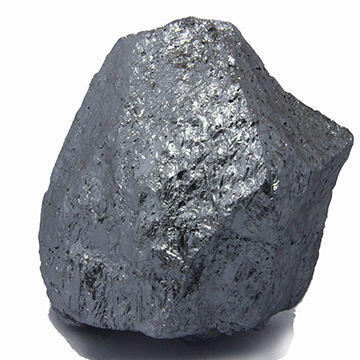
    Step 1: Refining raw materials

    Silicon is the second most abundant element on Earth following Oxygen. Silicon compounds are found in rocks, sand, clay, water, plants and even some animals. In order to purify silicon it is heated to its boiling point (1,410° C). Single crystals are created by extracting cylindrical crystals from molten silicon. Solar Panels can be termed monocrystalline or polycrystalline. Monocrystalline solar panel cells are derived from a single silicon crystal (not unlike single origin coffee), while a polycrystalline solar panel uses a blend  which results in a slightly lower efficiency.

    Solar Silicon Cell

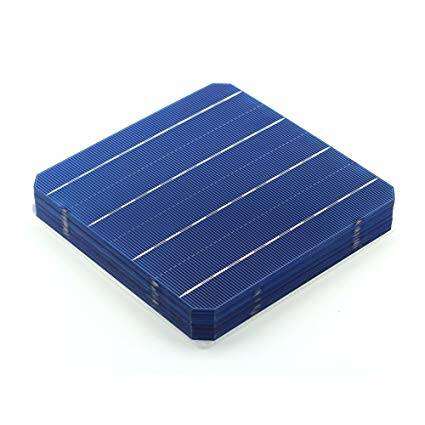
    Step 2: Producing a Solar Cell

    While silicon is the active material in a solar cell, there are a number of components that go into producing a modern solar cell. Typically the silicon is cut into thin sheets the approximate width of a piece of paper. A coating is applied to the sheets of silicon which improves the absorption of sunlight and minimising any reflection. Metal conductors are then added to facilitate the flow of electrons – which are the visible small gridlines. Each cell contains a positively (boron) and negatively (phosphorus) charged silicon wafer which meet at a conduction junction to instigate the flow of electricity.

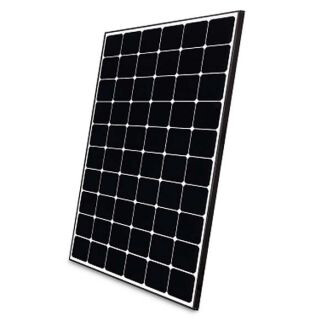
    LG Solar Panel

    Step 3: Producing a Solar Panel

    It is interesting to note that some solar panel manufacturer’s processes will only commence from this step and they purchase pre-produced solar cells from other manufacturers. Typical solar panels in Australia use 60 cells or 72 cells combined together in a single panel. Each panel will have top plexiglas sheet to protect the cells, an encapsulent material like EVA between each layer and a back sheet to protect the silicon from moisture and soiling. The solar panels are usually held together with an aluminium frame and have an output/input junction box when solar installers can easily string together solar panels in an array.

    Step 4: Testing and Accreditation

    Europe, USA, Australia and other countries each have different requirements for a Solar Panel to become accredited and available for use. Each have different testing requirements that enable a Solar Panel Manufacturing to represent their different technical specifications in the product data sheet. In Australia the Clean Energy Council is the body tasked with testing and accrediting new solar panels. There is also one major independent tester of solar panels called DNV GL. They have a rigourous testing procedure and publish a list of top performers each year to help consumers identify high quality manufacturers.

    List of Solar Panels components

    The manufacturing process combines the below list of parts to a solar panel:

    • -Aluminium frame
    • -Tempered Glass
    • -Encapsulant material e.g. EVA film
    • -Silicon cells
    • -Back sheet
    • -Junction box including 12v wires

    Each part of the solar panel has been refined and improved over the years to improve efficiency, durability and to reduce the cost of production.

    Where Are Solar Panels Made?

    Solar panels are manufactured in various countries worldwide, from the United States to Europe to Asia. China is the world’s largest solar panel producer, accounting for over 70% of global production. Major Chinese solar panel manufacturers include JinkoSolar, JA Solar, Trina Solar and more.

    Although the United States has a smaller market share, it still has significant manufacturing capabilities, with notable companies like First Solar, SunPower and Tesla. Malaysian manufacturers like Panasonic also contribute to global solar panel production.

    How Does a Solar Panel Work?

    Knowing how a solar panel is built is one thing, but understanding how solar panels work is quite another. Solar panels are fairly simple devices when it comes down to it. We already know about the negative and positive layers in the PV cell, but let’s look at how they work together.

    When sunlight hits the surface of a PV cell, it stimulates the electrons in the N-type layer (the negatively charged layer), causing electrons to come loose from their bonds and enter the electric field where the N-type layer and P-type layer meet. Metal contacts between the layers help guide the wayward electrons out of the solar panel and into the power inverter.

    The power inverter then does its job, converting the raw direct current (DC) created by all those migrating electrons into alternating current (AC) that homes and power grids can use directly. If your home isn’t using all the solar energy being produced by your solar array when these electrons are available, they simply pass through your net meter and out to the electrical grid for someone else to take advantage of.

    Can You Make Your Own Solar Panels?

    Creating your own solar panels is possible but difficult. If you have some soldering skills and experience with the components, it may be a feasible DIY project. Alternatively, for a simpler approach, one can also opt for solar panel kits, which come with pre-made components and detailed instructions for assembly. This hands-on approach provides the opportunity to harness renewable energy and saves on upfront costs.

  • HOW DOES SOLAR POWER WORK?

    HOW DOES SOLAR POWER WORK?

    Solar power works by converting energy from the sun into power. There are two forms of energy generated from the sun for our use – electricity and heat.

    Both are generated through the use of solar panels, which range in size from residential rooftops to ‘solar farms’ stretching over acres of rural land.

    Key words about solar energy

    *Solar cell – Solar cells convert the light from the sun into electricity. Many solar cells can be put together to make a solar panel. Solar cells are made from a material called silicon.

    *Solar panel – Solar panels are used to produce electricity. They can be found on buildings but can also be used on a solar farm to harvest the power of the sun. Solar panels are made from lots of solar cells.

    *Silicon – Silicon is a chemical element found in the earth’s crust. Silicon is used in computer chips, solar cells and in other electronic devices.

    *National Grid – The National Grid is the name given to the network of pylons and power lines that transport electricity to our homes, schools, offices and businesses.

    Is solar power a clean energy source?

    Yes, solar power is a renewable and infinite energy source that creates no harmful greenhouse gas emissions – as long as the sun continues to shine, energy will be released.

    The carbon footprint of solar panels is already quite small, as they last for over 25 years. Plus, the materials used in the panels are increasingly recycled, so the carbon footprint will continue to shrink.

    When was solar power discovered?

    Solar energy was used by humans as early as the 7th century B.C. when humans used sunlight to light fires by reflecting the sun’s rays onto shiny objects. Later, in 3rd century B.C., the Greeks and Romans harnessed solar power with mirrors to light torches for religious ceremonies.

    In 1839 and at the age of just 19, French physicist Edmond Becquerel discovered the photovoltaic (PV) effect while experimenting with a cell made of metal electrodes in a conducting solution. He noted that the cell produced more electricity when it was exposed to light – it was a photovoltaic cell.

    In 1954 PV technology was born when Daryl Chapin, Calvin Fuller and Gerald Pearson developed the silicon PV cell at Bell Labs in 1954 – the first solar cell capable of absorbing and converting enough of the sun’s energy into power to run everyday electrical equipment.

    Today satellites, spacecraft orbiting Earth, are powered by solar energy.

    How exactly is electricity from solar energy produced?

    Solar panels are usually made from silicon, or another semiconductor material installed in a metal panel frame with a glass casing. When this material is exposed to photons of sunlight (very small packets of energy) it releases electrons and produces an electric charge.

    This PV charge creates an electric current (specifically, direct current or DC), which is captured by the wiring in solar panels. This DC electricity is then converted to alternating current (AC) by an inverter. AC is the type of electrical current used when you plug appliances into normal wall sockets.

    Solar Panels

    Solar panels are made up of individual cells that have layers of special semiconductor materials that are arranged in positive and negative layers (similar to the setup of a battery). Light energy from the sun shines on solar panels and hits the layers of semiconductors with photons (what makes up sunlight) in order to create a flow of electrical energy. The energy from the photons frees electrons within the semiconductor material which creates direct current (DC) electricity. Wiring connected to the positive and negative sides of the cell harness that electrical current using wires that are connected to the panel which carry the electricity to an inverter. Here the electricity can be converted into alternating current. Solar panels can link together to provide either all or a portion of the power needed for a home or business to run.

    What’s the difference between solar PV panels and solar thermal panels?

    There are two main types of solar energy technologies—photovoltaics (PV) and concentrating solar-thermal power (CSP). 

    Solar PV panels generate electricity, as described above, while solar thermal panels generate heat. While the energy source is the same – the sun – the technology in each system is different.

    Solar PV is based on the photovoltaic effect, by which a photon (the basic unit of light) impacts a semi-conductor surface like silicon and generates the release of an electron. Solar thermal is less sophisticated and simply the direct heating of water (or other fluids) by sunlight. For domestic use, solar thermal panels are also installed on a roof facing the sun, heating water stored in a hot water cylinder and so providing hot water and heating. On a larger scale, solar thermal can also be used in power stations.

    What are solar farms?

    Solar farms, also known as solar parks or solar fields, are large areas of land containing interconnected solar panels positioned together over many acres, to harvest large amounts of solar energy at the same time. Solar farms are designed for large-scale solar energy generation that feed directly into the grid, as opposed to individual solar panels that usually power a single home or building.

    Can solar power be generated on a cloudy day?

    Yes, it can – solar power only requires some level of daylight in order to harness the sun’s energy. That said, the rate at which solar panels generate electricity does vary depending on the amount of direct sunlight and the quality, size, number and location of panels in use.

    Who are the largest producers of solar power worldwide

    As of 2022, China is the largest producer of solar powered electricity generation in the world. The US comes in second, followed by Japan, Germany and India.

    Solar Energy in Kenya

    The 50 MW Garissa Solar Power Plant

    The Garissa Solar Plant is the largest grid connected solar power plant in East & Central Africa. This is the first time that Kenya has developed a major solar power plant to harness its abundant solar energy resource to diversify the power generation mix and reduce energy costs. Currently this project is contributing about 2% of the national energy mix and has significantly led to a reduction of energy costs in the country thereby promoting the development of clean, reliable, sustainable and affordable electricity.

  • HOW TO MAINTAIN YOUR SOLAR PANELS

    HOW TO MAINTAIN YOUR SOLAR PANELS

    Solar panels typically don’t require much maintenance other than periodic cleaning and keeping them free from obstacles that can cast shadows over the panels. Solar panels need an unobstructed path to the sun to operate optimally.

    Solar panels are designed to withstand extreme weather events like hail, snow, ice and wind to provide lasting performance. Solar panels typically have a lifespan of 25 to 30 years with regular maintenance, but should you start to see a dip in their output, it might signal it’s time to clean them.

    HOW TO MAINTAIN SOLAR PANELS

    Dirt, debris, dust and other items can dirty solar panels and if the accumulation grows too much, it can start to impact the amount of energy that the solar panels produce. Be sure to turn your solar power system off prior to cleaning. Cleaning solar panels by spraying them down with lukewarm water from a hose usually does the trick. Do not use cleaning agents or soap to clean solar panels because they can leave streaks and damage the panels.

    For solar panels with heavier deposits, spraying them down with a lukewarm water from a garden hose and wiping them down with a non-abrasive, microfiber cloth can get them clean. If you clean them while on a roof, remember to do so safely by using a safety harness to prevent falls. If cleaning from a ladder, use caution to prevent falls. Best yet, a telescopic pole with a microfiber cloth attached to it can help you safely clean solar panels from the ground.

    TIP: Do not clean your solar panels on a sunny day because it can leave smudges since the water can evaporate quickly.

    How Often Should Your Solar Panels Be Maintained?

    Solar panels only need maintenance two to four times a year, but check your solar companies manual for panel specific maintenance care. Fall and spring serve as good times to perform maintenance work because panels can need cleaning following winter where dust and debris can accumulate. Fall is also a good time because of the falling leaves and other droppings. Beware of other issues like sap from trees and bird droppings.

    Checking your solar panels four times a year can help you track the performance of your panels better. You can notice issues sooner and address them faster. You should also inspect wires and connections to ensure they’re in working condition. Sometimes critters can gnaw on them without you noticing.

    You can also hire a professional to perform an annual inspection if you’d rather have a pro do the job.

    HOW TO KNOW WHEN YOUR SOLAR PANELS NEEDS MAINTENANCE

    It’s important to track the energy output of your solar panels closely. Typically a prolonged drop in production signals a maintenance need. Solar panels tend to decrease in performance as they age but early in their lifespan, any drop is more likely to come from dirty or obstructed panels.

    Can you monitor the health of your solar panels? 

    If your panels’ energy output starts to decrease, you can monitor it via an app. Lower energy output could be a sign that your panels are obstructed by something, like debris, and cannot generate their typical electricity amount. 

    By integrating a solar panel monitoring system into your setup, you can track how much energy your panels produce on any given day and how much they produce over time. This allows you to see exactly how various external factors affect your panels’ performance and how well they’re maintaining their efficiency across their life. The monitoring system will also alert you if a panel breaks or malfunctions so that you can repair or replace it.

    Do solar panels need to be maintained? 

    Solar panels generally require very little maintenance in order to function, so yes, you can usually just let them be. The only thing most solar panels need is a periodic light cleaning to make sure dirt, leaves, and other debris aren’t obstructing the sun’s rays. You may also want to check underneath the panels for debris or signs of animals, and potentially spring for solar critter guards if this becomes an issue.

    The only time you may need more extensive maintenance is if you discover signs of animals nesting under your system (in which case you may need solar critter guards) and during periods of heavy snowfall, as large amounts of snow on solar panels can hinder their performance. 

    The cost of maintaining solar panels

    While the cost of maintaining solar panels is typically pretty low, it could be worthwhile to factor in any costs. That can help you figure out how long it takes the panels to pay for themselves. This includes an annual inspection, which isn’t typically included in your home solar system. Studies have shown that the cost can vary, and ranges from $150 to $300 per visit.

    Additional maintenance or fixes that stem from that inspection should also be considered. Some solar panel companies offer a free mobile app to monitor usage. If not, you can get your own. These solar monitoring apps might come with a small fee.

    Studies have shown that if you’re spending, say, $300 annually to have someone clean your panels twice a year, plus $200 for an annual maintenance inspection, fold that into your annual costs when considering the break-even point for getting solar.

    How to repair or replace solar panels 

    If your panels need to be repaired or replaced, it’s best to hire a professional. 

    If they’re losing efficiency and still under a performance or power output warranty, then call the company that installed your panels. They will send someone to assess the situation and either fix the problem or replace the panels. 

    If your panels have sustained physical damage, that’s often covered under a separate equipment warranty. You can work with your solar installer to find out who can best replace those panels. Either way, don’t attempt to install solar panels or make repairs yourself unless you’re experienced with home solar systems.

    How does extreme weather impact your solar panels? 

    Solar panels are designed to be durable. Top-quality solar panel installations allow PV systems to withstand all kinds of weather, from wind and rain to snow and more. 

    Studies have shown that solar panels hold up well against hail, as found by the Department of Energy. They can even survive hurricanes, as evidenced by the limited damage to solar systems in North Carolina during Hurricane Florence in 2018.

    Of course, they are not 100% indestructible; on rare occasions, they can suffer damage by hail, hurricanes, tornadoes, or lightning. But as long as you have a good warranty, you should be able to have any damaged panels repaired or replaced. 

    Somewhat ironically, the type of weather that most commonly affects panels is heat. When the temperature gets over 77°F (or 25°C), panels lose efficiency approximately 1% per degree.

    However, by elevating them a few inches above the ground or roof, you allow for air circulation, which can help cool them down and maintain energy production. Solar panel performance in hot temperatures is not something to stress too much about, your solar installer will take local climate factors into consideration when installing panels. 

    So, are solar panels hard to maintain? 

    All in all, maintaining your solar panels is pretty easy. If you notice dust, debris or snow piled up, a quick clean will ensure that your panels operate effectively. Additionally, be sure the panels you get come with a good warranty so that if your panels do break, they get replaced. 

    Do that, and your panels should continue to operate at peak efficiency, bringing you clean, renewable solar power for years to come.

    BENEFITS OF MAINTAINING YOUR SOLAR PANELS

    1. SOLAR PANEL MAINTAINANCE ENHANCES EFFICIENCY

    There is no doubt that technological advancement have improved the efficiency of solar panels. Solar panels efficiency refers to the ability to convert sunlight into electricity . Enhanced solar panel efficiency helps owners to realize cost savings. The efficiency of most solar products at the moment is aound15% to 18%.The more efficient your solar panel is the more cost savings. Unfortunately ,weather impacts solar panels efficiency and its impossible to control the weather.

    Nevertheless, regular solar maintenance can enhance efficiency hence more power generation.

    2.IMPROVES LONGEVITY

    Typically ,solar panels can last for more than 25 years. When well maintained, your solar panels will still work at total capacity in the next 20 years. Thanks to technological advancement, the life expectancy of solar panels has increased drastically over the years.

    What is more, manufacturers and solar companies such as Petersol are backing their products with warranties and flexible lease contracts. These arrangements allow clients to grow and enjoy cost savings for a very long time.

    Like any other assest , your solar panels are susptible to normal wear and tear and environmental conditions. If you fail to observe routine maintenance, they are likely to reduce power output after some time. This is known as the degradation rate and is usually around 0.5% per year. As such, your solar panels will be generating electricity at about 90% of their total capacity.

    On the other hand, clearing debris and other materials on your solar panels and on serving routine maintenance will go a long way towards ensuring that your panels are performing at their optimal capacity for the longest time thus help you benefit from solar owner.

    3. BETTER SOLAR ENERGY STORAGE

    Unfortunately, solar panels can not generate power when the sun is not shining. Further, your peak energy use might come during the evening hours when there is no sunlight. This means that you are likely to deal with a limited power supply during your peak hours.

    Fortunately , you can always turn to solar energy storage to store enough power for use on days with low irradiance and hours with no sunlight. Maintaining your solar panels and energy storage modules will improve their efficiency. As a result, you wont have to use an expensive source of energy as a backup. This will cut down your backup electricity cost.

    4.GUARANTED RELIABILITY

    Power interruptions in the country are a daily norm .Businesses lose so much money since these routine power outages hinder production and everyday operations. Going solar is the key to reducing electricity cost for your business.

    However, your solar panels will not generate enough power if you fail to maintain them. Routine solar panel maintenance will improve their efficiency and energy production. You can store the additional energy for use on days with power outages.

    Moreover, you will have complete control over your energy needs. What is more, you do not have to spend a fortune on expensive backup options with commercial solar power in Kenya.

    5. IDENTIFY ISSUES EARLY ON

    Routine solar panel maintenance can also help you cut costs by allowing you to spot critical issues before they get out of hand. For instance, you might be able to spot damaging items and debris on your ground-mounted photovoltaic solar panels before it is too late. You will also know when to lift the solar panels off the ground before they suffer water damage.

    The same goes for your roof-mounted solar panels. With routine maintenance, you can spot loose fitting before your solar panels are blown away by the wind. Identifying all these significant issues early on will go a long way towards helping you to avoid paying a fortune on unnecessary repairs