Category: Blog

  • The Future of Solar Energy: Solar Futures and Predictions 2025

    The Future of Solar Energy: Solar Futures and Predictions 2025

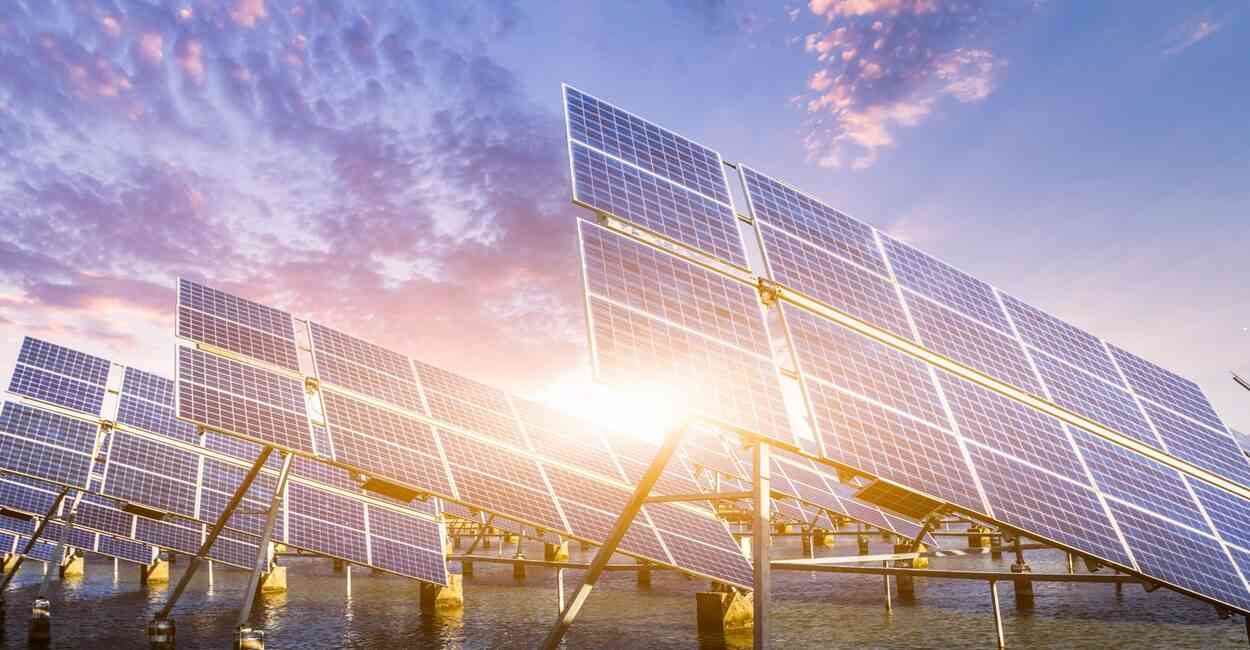
    The future of solar energy is set for exceptional growth as advancements in technology, increased investments, and strong policy support continue to push the industry forward. In recent years, solar power has proven to be a key solution for reducing dependence on fossil fuels and mitigating climate change. As costs decrease and efficiency increase, the future of the solar industry looks more hopeful than ever.

    This article explores the future of solar panels, key industry trends, technological innovations, and predictions for solar futures over the next decade.

    Increasing Adoption of Solar Power

    The demand for solar power is rising quickly across the globe, driven by:

    • Falling Costs of Solar Panels – Over the past decade, the cost of solar photovoltaic (PV) panels has dropped by over 80%, making solar power one of the most cost-effective energy sources. By 2025, further cost reductions are expected as manufacturing scales up.
    • Government Incentives and Policies – Many governments are offering financial incentives such as tax credits, feed-in tariffs, and grants to encourage the shift to solar energy. The U.S. Inflation Reduction Act (IRA), for example, has extended tax credits for solar panel installations until 2032.
    • Growing Interest from Corporations and Industries – Large corporations such as Apple, Google, and Amazon have committed to 100% renewable energy, heavily investing in solar power to meet sustainability goals.

    According to the International Energy Agency (IEA), solar power will account for over 30% of global electricity generation by 2050, reinforcing the shift towards a solar-powered future.

    The future of solar energy will be powered by continuous technological advancements. Some of the most promising innovations include:

    • Perovskite Solar Cells – These next-generation solar panels are expected to revolutionize the industry by providing higher efficiency at a lower production cost. Research suggests that perovskite-based solar cells could achieve over 30% efficiency compared to traditional silicon panels.
    • Bifacial Solar Panels – Unlike conventional panels, bifacial solar panels can capture sunlight from both the front and back, significantly increasing energy output. These panels are particularly effective in regions with high albedo surfaces, such as snowy or sandy areas.
    • Transparent Solar Panels – The integration of solar energy into everyday surfaces like windows and facades is becoming a reality. Transparent solar panels can turn skyscrapers, homes, and even vehicle windows into energy-generating surfaces.
    • Solar Paint and Coatings – Researchers are developing solar paint that contains photovoltaic materials, allowing buildings to generate electricity from their exteriors.

    These advancements indicate that the latest research on solar energy is not only making solar power more efficient but also expanding its applications beyond traditional rooftop and ground-mounted installations.

    Solar Energy in Transportation

    The future of solar panels extends beyond rooftops and solar farms; they are also shaping the future of transportation.

    • Solar-Powered Electric Vehicles (EVs) – The development of solar-integrated electric vehicles is gaining momentum. Companies like Aptera and Lightyear have introduced vehicles with built-in solar panels, allowing them to charge directly from sunlight, reducing dependency on grid charging.
    • Solar-Powered Public Transport – Several cities are integrating solar power into public transportation. Solar-powered buses, trains, and even ferries are being tested and deployed in many regions.
    • EV Charging Stations Powered by Solar – The expansion of solar-powered EV charging stations is expected to accelerate, providing clean and renewable energy to power the growing fleet of electric vehicles.

    With these advancements, solar energy and the future of transportation are becoming increasingly interconnected, making mobility more sustainable.

    Enhanced Energy Storage Solutions

    One of the biggest challenges in solar power is its intermittent nature—solar energy generation depends on sunlight availability. However, advancements in energy storage technologies are solving this issue.

    • Lithium-Ion Battery Improvements – The cost and efficiency of solar batteries have improved significantly, allowing for better storage and utilization of solar-generated electricity.
    • Solar Thermal Storage – This method allows heat from solar power to be stored in materials such as molten salt and later converted into electricity when needed, ensuring 24/7 energy availability.
    • Grid-Scale Storage Solutions – Large battery storage projects are being deployed globally, ensuring a stable supply of electricity even when solar production fluctuates.

    By 2025, breakthroughs in battery technology will further enhance the reliability and efficiency of solar energy, making it a dominant power source worldwide.

    Policy and Regulatory Support for Solar Power

    Governments and regulatory bodies are playing an important role in shaping the future of solar energy. Some of the key policies and initiatives include:

    • Renewable Energy Targets: Countries such as the U.S., China, and India are implementing ambitious renewable energy targets, aiming to transition to solar power as a primary energy source.
    • Carbon Neutrality Goals: The EU, the U.S., and several other nations have set net-zero carbon goals, further pushing the adoption of solar panels and other renewable technologies.
    • Solar Investment Tax Credits (ITC): In many countries, tax incentives and subsidies for solar installations are helping to make solar energy more accessible to homeowners and businesses.

    These policies will ensure that the future of the solar industry continues to expand and thrive in the years ahead.

    As technology advances and investments grow, the next decade will bring significant developments in solar energy:

    • Global Solar Capacity to Exceed 5,000 GW – By 2035, solar power is expected to be the leading source of electricity worldwide.
    • Solar Panel Efficiency to Surpass 30% – Advancements in materials and design will push solar panel efficiency beyond today’s limitations.
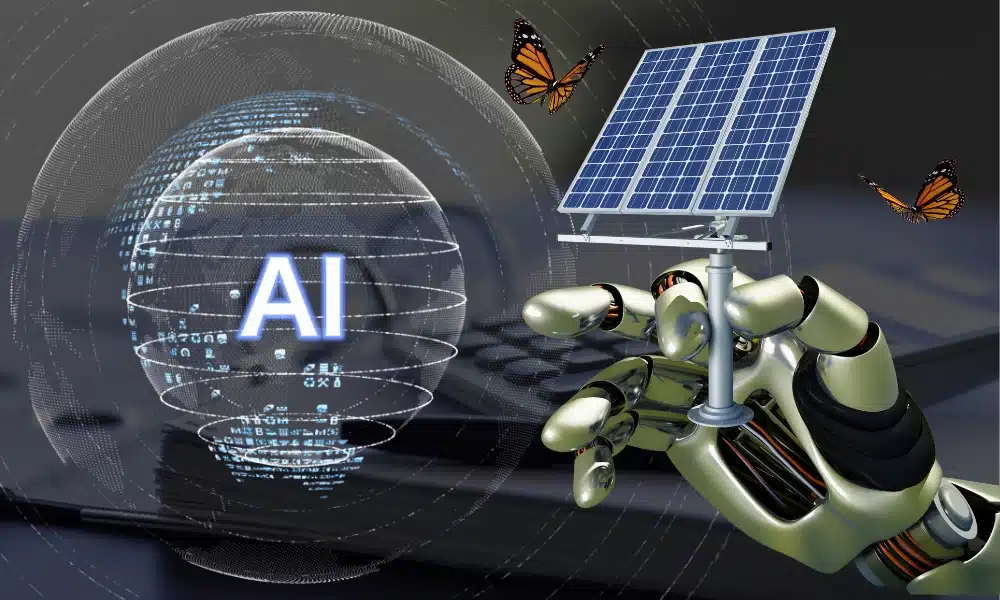
    • Artificial Intelligence (AI) in Solar Systems – AI-driven optimization will enhance solar power generation, storage, and distribution.
    • Widespread Adoption in Smart Cities – Solar energy will power urban infrastructure, smart grids, and IoT-based energy management systems.

    FAQs on the Future of Solar Energy

    What is the future of the solar market?

    The solar energy market is expected to grow at a CAGR of 20%+, making it one of the fastest-growing energy sectors worldwide.

    Is it good to invest in solar?

    Yes, declining solar panel costs, tax incentives, and long-term savings make solar power a profitable and sustainable investment.

    Does solar have a good future?

    Absolutely. Solar futures predict that solar energy will dominate the global energy mix by 2050.

    How long will solar last?

    Modern solar panels last 25–30 years, with ongoing research pushing solar panel lifespan beyond 40 years.

    Conclusion

    The future of solar energy is on a course of continuous growth and transformation. With cutting-edge technological advancements, strong policy backing, and increasing global adoption, solar power software and other innovations are set to redefine the way the world generates electricity. As we move toward a sustainable future, solar energy and the future of our planet are more intertwined than ever.

    By 2025 and beyond, solar futures will play a primary role in transitioning toward a clean, renewable, and energy-independent world, with solar power software optimizing system design, efficiency, and performance.
  • Solar vs. wind energy: Which one is better?

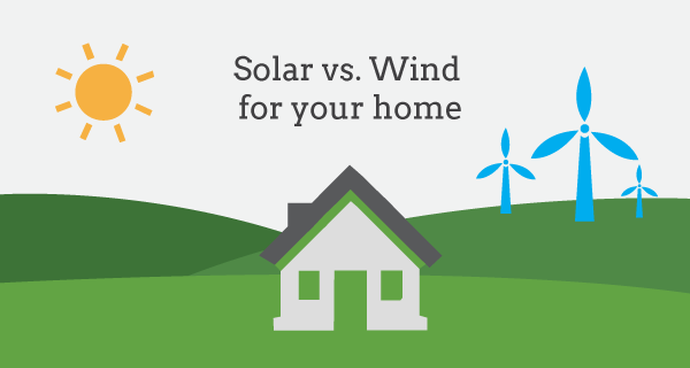
    Solar vs. wind energy: Which one is better?

    Among the various renewable energy sources, wind power and solar power are the most popular green energy alternatives for fossil fuels. They play a significant role in reducing our dependence on fossil fuels. The equipment for extracting solar and wind power are solar panels and wind turbines. The photovoltaic cells inside solar panels, transform the sun’s radiation into electricity.
    Wind is also a form of solar energy. The difference in atmospheric pressure caused by the sun’s radiation creates wind. It is a motion-based form of energy.

    When wind turns the turbine blades, it’s generator converts the energy of the rotating blade into mechanical power. It is then converted into electric power which can be used to power residential and commercial sectors. Wind and sunlight are domestic source of energy. It is sustainable, abundant and inexhaustible.

    Making our planet greener and cleaner

    Being a clean source of energy, wind and solar power cut down toxic pollution, thereby making our planet greener and cleaner. It can boost local infrastructure and economies by providing jobs to the local people. With its low operational cost, it can help to power even the most rural regions of the world. But the production, installation, and maintenance of solar panels and wind turbines are expensive.

    Most of the people fail to afford it without government subsidies. The price has to come down to convince consumers about the adoption of green energy sources. Economic sustainability is the main thing that stands in the way of green energy adoption. To overpower fossil fuels, it is very essential to find a practical, cost-efficient way to store their power when the sun isn’t shining and the wind isn’t blowing. Both solar power and wind power have some advantages over the other.

    Advantages of solar energy over wind power:

    • Solar energy provides a more predictable energy output than wind energy. Energy production can be done in a massive scale with solar farms.
    • Unlike wind turbines, Solar panels don’t require particular space for installation as they can be installed on the roofs of houses or offices.
    • Solar panels hardly produce any noise while wind turbines are noisy.

    Advantages of wind power over solar power:

    • Solar energy cannot be harnessed at night or during cloudy conditions while wind energy can be harnessed even at night.
    • The wind is a more efficient power source than solar. Wind turbines release less CO2 to the atmosphere. A wind turbine produces 4.64 grams of CO2/1kWh while the solar panel produces 70 grams of CO2/1kWh.
    • Wind power consumes less energy and produces more energy compared to solar panels.

    Which renewable energy is better, wind or solar?

    Based on geographical location and energy requirements, one can go for solar or wind option. Going for the wrong choice will cause a great financial loss. Renewable energy experts can help in evaluating the situation and provide advice on the type of renewable energy to be chosen. Both solar energy and wind energy are intermittent. There are locations where one will work better than the other.

    Which is more effective depends on where in the world you are. In sunnier states, solar panels will produce far more energy than a single wind turbine. If one is in a windy spot, wind turbines will produce more energy. Wind systems require environments that are almost barren of large windbreaks and buildings. That accounts for the turbines positioned in lakes and oceans for power generation.

    Solar is comfortable in the suburban area

    As solar panels can be installed on the rooftops of houses, buildings, schools, and businesses, they are more practical for suburban or urban regions. Transparent solar panels are coming to retrofit roofs and windows. For suburban settings and applications, solar power is usually the best choice. A solar power system has no moving parts and is less space-consuming. It has better reliability and a 25year warranty.

    Solar requires less monitoring and less maintenance. It provides a more predictable energy output based on BOM and NASA data. It is totally silent in operation and allows for quicker installation with minimal cables. Solar Power is less susceptible to lightning and high wind damage.

    The wind turbine is comfortable in the rural area

    Most of the local government authorities are against erecting wind turbines in townships as it creates noise and might raise complaints from the neighbours. Wind turbines are not suitable for urban areas. It is ideal for rural regions far from cities that are most in need of power.

    A wind turbine can generate the same amount of electricity per kWh as about 48,704 solar panels. It can be built on existing farms or ranches. It doesn’t affect the farmers working in that land as it uses only a fraction of a land. They will also get the rent paid by wind power plant owners for using their land.

    The main concerns of wind turbines are the noise from moving parts and visual impacts to the landscape. Wind turbines affect local wildlife as birds and bats get killed by the spinning of turbine blades. The downside of wind energy is that it need not always be fast enough to turn a turbine. Sometimes it is too fast to damage it as well. Wind turbines need regular maintenance because of the moving parts.

    Which is more efficient?

    The efficiency of solar panels and wind turbines is dependent on how well they can convert sunlight into usable electricity. Even the most efficient solar panels convert only about 22% of energy harnessed from sunlight into actual electrical energy.
    Wind turbines can convert up to 60% of the energy they harness from the wind into usable electrical energy.
    Wind power is more efficient, but it is not easy to capitalise on wind power, whereas utilising solar power is much easier.

    Which is cost-effective?

    Based on the daily usage of electricity, the average amount of sunshine received, and the individual output of panels, one would need around 24 solar panels to meet the energy demands of an average household of six. On average, solar panel costs will range between Ksh 8000 and Ksh17000. It will generate between 6,000 and 10,000 kWh a year. Installation cost  vary based on numerous factors, including.

    Annual average wind speed of an area, the size and energy needs of a house decides whether a wind turbine can power a house.
    A wind turbine of about 5kW will produce enough energy for a household of 6 people. It would be equivalent to the amount of energy produced by 24 solar panels. Based on the size and height of the turbine and the equipment used.

    What is the best option?

    It will produce about 8,000kWh to 12,000kWh over a year, which amounts to an average cost of 20.3 cents per kWh. This makes solar power less expensive than wind power. The best option is to combine solar power with wind power and power one’s home through multiple renewable energy sources. But it makes sense only for rural communities who have lots of space to spare.

    Of the two, low-cost installation and less maintenance makes solar panels the best option for homeowners looking for a renewable energy choice. The role of wind will be in utility scale. Renewable energy sources help to reduce energy costs and has a positive impact on our planet. If wind and solar power can keep up their alarming growth rates, they might both stand up as a strong rival to fossil fuel giants.

  • Top 11 Solar Panel Brands: Find the Perfect Fit for Your Home or Business

    Top 11 Solar Panel Brands: Find the Perfect Fit for Your Home or Business

    Selecting the right solar panel brands is crucial for maximizing energy efficiency, ensuring durability, and achieving long-term savings. With the solar industry evolving rapidly, staying informed about the top brands can help you make an informed decision. This comprehensive guide will explore the leading solar panel brands as of 2025, their key features, and what sets them apart.

    Table of Contents

    1. Introduction
    2. Factors to Consider When Choosing a Solar Panel Brands
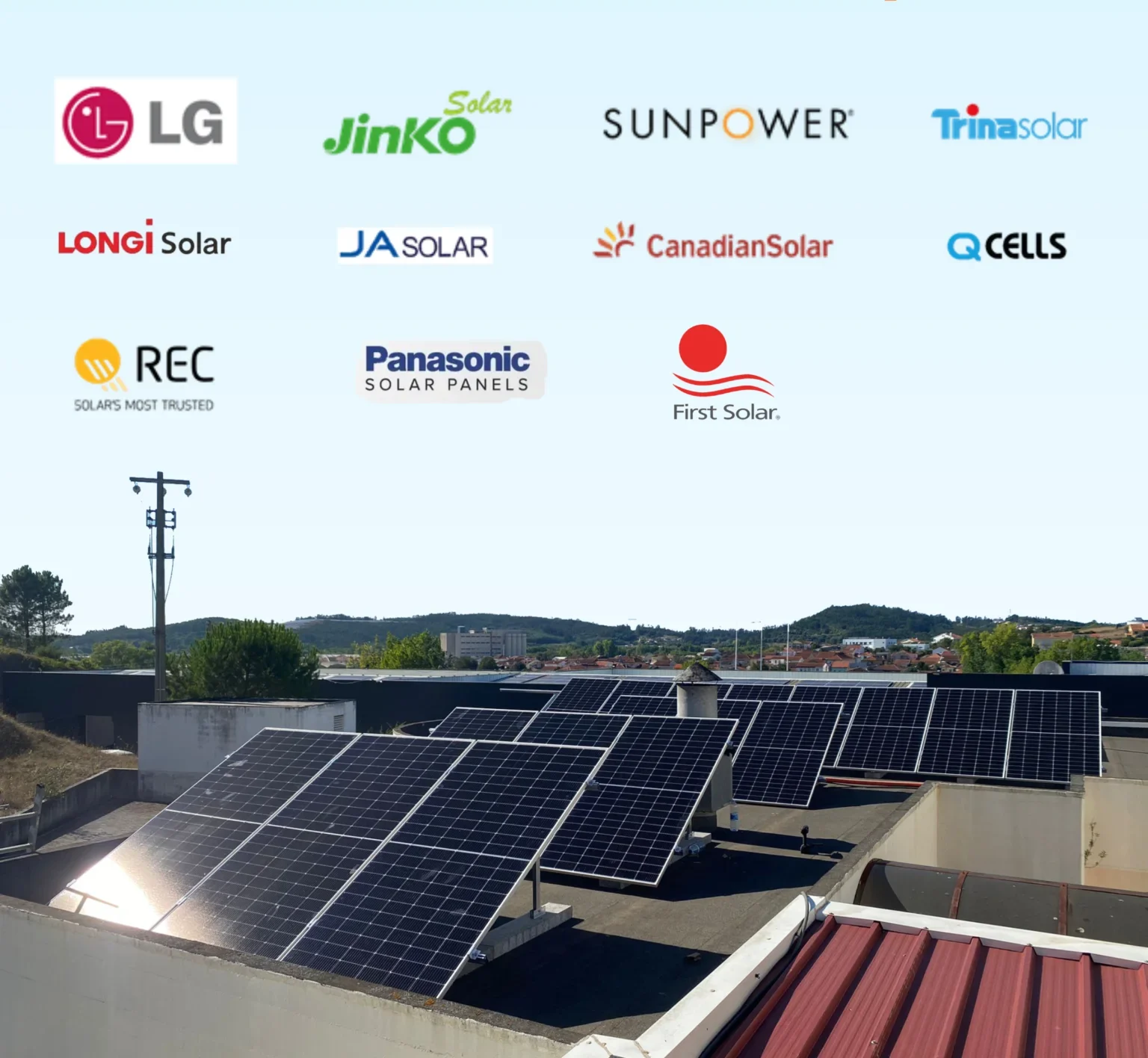
    3. Top 11 Best Solar Panel Brands in 2025
      1. SunPower
      2. LG Solar
      3. Panasonic
      4. Trina Solar
      5. JinkoSolar
      6. Canadian Solar
      7. REC Group
      8. First Solar
      9. Q CELLS
      10. LONGi Solar
      11. JA Solar
    4. Comparing the Best Solar Panel Brands
    5. Which Solar Panel Brands Is Right for You?
      1. For Home Use (Residential Solar Panels)
      2. For Business Use (Commercial Solar Panels)
      3. For Large-Scale Projects (Utility-Scale Solar Panels)
    6. Conclusion

    Introduction

    With the growing demand for renewable energy, solar panel brands have become an essential investment for homeowners, businesses, and industries. Choosing the best solar panel brands ensures high efficiency, durability, and long-term savings. With multiple brands available in the market, making the right choice can be challenging. In this guide, we explore the top solar panel brands, their key features, efficiency ratings, and why they stand out.

    Factors to Consider When Choosing a Solar Panel Brands

    Before diving into the list of the best solar panel brands, it is essential to understand the key factors to consider:

    1. Efficiency – The percentage of sunlight converted into usable electricity. Higher efficiency panels generate more power in less space.
    2. Durability & Warranty – Quality construction and strong warranties ensure longevity and protection against environmental factors.
    3. Cost & Value – A balance between upfront costs and long-term benefits is essential for a smart investment.
    4. Technology & Innovation – Advanced technology improves performance, especially in low-light conditions.
    5. Reputation & Reviews – Customer feedback and industry recognition are good indicators of reliability and performance.

    Top 11 Best Solar Panel Brands in 2025

    1. SunPower

    SunPower is renowned for its high-efficiency solar panels, with some models achieving up to 22.8% efficiency. The company offers a range of residential and commercial panels, backed by robust warranties. SunPower’s panels are known for their durability and performance, making them a popular choice among homeowners and businesses.

    2. LG Solar

    LG Solar produces high-quality panels with efficiencies up to 21.1%. Their panels are known for their sleek design and reliable performance. LG offers a variety of models suitable for different installation needs, all backed by strong warranties.

    3. Panasonic

    Panasonic’s solar panels offer efficiencies up to 21.6%. The company is known for its commitment to quality and innovation, providing panels that perform well in various environmental conditions. Panasonic offers a range of models suitable for both residential and commercial applications.

    4. Trina Solar

    In 2022, Trina Solar Co. Ltd., a Chinese maker of solar PV modules, exported 14.5GWp of solar modules. Based on a normal 2.1kW machine, it is enough electricity to run nearly 7 million washing machines for one hour.

    The firm has more than 23,000 employees and works in more than 160 countries. Trina Solar provides project management, building, and maintenance services for large-scale solar systems in addition to producing solar goods such PV panels, storage batteries, and solar trackers.

    The business also makes significant investments in R&D; in 2022, it set a 25th world record for solar cell efficiency and module power. Because of this, it has been able to sustain a strong market presence and generate $12.5 billion (about £9.85 billion) in sales in 2022.

    5. JinkoSolar

    Jinko Solar is a leading global solar panel manufacturer and energy storage system integrator. Founded in 2006, the company has rapidly grown to become the world’s largest solar panel manufacturer, with a strong track record of innovation, research, and development. Jinko Solar offers a range of solar panels designed for residential, commercial, and utility-scale installations, with power ratings from 370W to 635W and efficiencies up to 23.2%.

    The company’s flagship Tiger NEO series panels feature cutting-edge N-type cell technology. With a global presence, Jinko Solar has established manufacturing facilities in China, Malaysia, and the US, and its products are distributed in over 190 countries and regions, serving more than 3,000 customers. In India, as many as 20.4% of all shipped solar panels in 2023 were made by Jinko Solar.

    6. Canadian Solar

    Canadian Solar Inc., the only manufacturer of solar PV modules on this list with headquarters located outside of China, ranks sixth in terms of exports.

    Canadian Solar employs more than 20,000 people in at least 30 nations, running sizable production plants in China, Indonesia, Vietnam, and Brazil in addition to Canada.

    PV panels, storage batteries, and solar inverters are among the products that Canadian Solar offers to meet the needs of homes, businesses, and utilities.

    Around 16.8GWp of solar modules were shipped by the firm in 2022, bringing in USD $7.47 billion (around £5.88 billion) in income annually.

    7. REC Group

    REC Group offers panels with efficiencies up to 21.7%. The company is known for its commitment to sustainability and high-quality manufacturing processes. REC’s panels are designed to perform well in various environmental conditions, making them a reliable choice for homeowners and businesses.

    8. First Solar

    First Solar specializes in thin-film solar panels, offering a different technology compared to traditional silicon-based panels. Their panels are known for their durability and performance in high-temperature environments. First Solar’s panels are commonly used in large-scale utility projects

    9. Q CELLS

    Q Cells offers panels with efficiencies up to 20.7%. The company is known for its innovative technology and commitment to quality. Q Cells’ panels are designed to provide reliable performance and are backed by strong warranties.

    10. LONGi Solar

    LONGi Solar is a leading global solar technology company. As a subsidiary of LONGi, founded in 2000, it has over 60,000 employees, 30+ locations, and 30 manufacturing sites globally, with its European headquarters in Frankfurt. The company operates across five business sectors, including mono silicon, wafers, cells, and modules, commercial and industrial distributed solar solutions, green energy solutions, and hydrogen equipment, supporting global zero-carbon development. LONGi had set a new world record of p-type HJT silicon solar cell efficiency at 26.81% in 2022. The company is the second-largest solar panel brands supplier in 2023 with an 18.8% market share.

    11. JA Solar

    JA Solar founded in 2005 and is headquartered in Beijing, China. With a strong global presence, the company operates in 135 countries and regions, offering a wide range of panels for residential, commercial, and utility-scale systems. JA Solar is known for its reliable and cost-effective panels, focusing on incorporating proven solar cell technologies to deliver affordable options backed by a 12 to 15-year product warranty.

    The company’s Deep Blue series, including the Deep Blue 3.0 and 4.0 Pro models, offers efficiency ratings of up to 22%, with the latter providing a longer 25-year product warranty, making it a recommended choice for residential customers looking for high-performance solar panel brands. JA Solar was the third biggest supplier of solar panels in India in 2023 with an 8.7 percent market share.

    Comparing the Best Solar Panel Brands

    BrandEfficiencyWarrantyBest For
    SunPower22.8%25 yearsPremium residential & commercial
    LG Solar22.3%25 yearsHomeowners seeking reliability
    Panasonic21.7%25 yearsHot climate conditions
    Trina Solar20.8%25 yearsBudget-friendly, commercial use
    JinkoSolar21.3%25 yearsLarge-scale solar farms
    Canadian Solar20.6%25 yearsAffordable residential & commercial
    REC Group21.9%25 yearsSustainability-focused consumers
    First Solar19.5%25 yearsLarge industrial applications
    Q CELLS21.4%25 yearsCost-conscious buyers
    LONGi Solar21.2%25 yearsUtility-scale projects

    Which Solar Panel Brands Is Right for You?

    Choosing the right solar panel brand for your needs—whether for a home, business, or large-scale project—depends on factors like efficiency, warranty, cost, and specific requirements. Here’s a breakdown to help you make an informed decision:

    1. For Home Use (Residential Solar Panels)

    For homeowners, factors like space, aesthetics, energy efficiency, and warranty are crucial.

    • SunPower
      • Efficiency: Up to 22.8%
      • Why It’s Ideal: SunPower is known for producing the most efficient residential panels, offering higher performance and more energy output. They also provide long warranties (25 years), ensuring reliability.
      • Best For: Homeowners looking for maximum energy generation in limited space and high durability.
    • LG Solar
      • Efficiency: Up to 22.3%
      • Why It’s Ideal: LG offers sleek designs and high-efficiency panels, backed by a strong warranty. Their panels are also known for being resistant to wear and tear, which is perfect for residential use.
      • Best For: Homeowners who want a combination of efficiency, aesthetics, and reliability.
    • Panasonic
      • Efficiency: Up to 21.6%
      • Why It’s Ideal: Panasonic is a strong contender in the residential space with a reputation for high quality, durability, and strong performance in various weather conditions.
      • Best For: Homeowners in areas with diverse climates who need reliable performance over time.

    2. For Business Use (Commercial Solar Panels)

    For businesses, cost-effectiveness, durability, and scalability are the key priorities.

    • Trina Solar
      • Efficiency: Around 20.5%
      • Why It’s Ideal: Trina Solar is a cost-effective option offering durable panels with reliable performance. Their products are widely used in commercial applications due to their efficiency and value.
      • Best For: Businesses that need affordable, high-performing panels with long-lasting warranties.
    • Canadian Solar
      • Efficiency: Up to 21.4%
      • Why It’s Ideal: Canadian Solar offers good performance at competitive prices, making it a popular choice for businesses looking for affordable, reliable solar panels.
      • Best For: Companies seeking balance between cost and efficiency.
    • Q Cells
      • Efficiency: Up to 20.7%
      • Why It’s Ideal: Q Cells is known for offering innovative solar technology, providing robust solutions for commercial use. Their panels are reliable, with solid warranties and performance in various climates.
      • Best For: Businesses looking for strong performance and innovative technology at a reasonable price.

    3. For Large-Scale Projects (Utility-Scale Solar Panels)

    Large-scale projects demand high durability, efficiency, and the ability to handle vast energy loads.

    • First Solar
      • Efficiency: Around 18-19%
      • Why It’s Ideal: First Solar specializes in thin-film technology, which is highly effective for large-scale installations. Their panels are durable and perform well even in harsh environments.
      • Best For: Large utility-scale projects that need low-cost, high-durability panels for high-output systems.
    • LONGi Solar
      • Efficiency: Up to 21.4%
      • Why It’s Ideal: LONGi Solar is one of the largest manufacturers of solar panels globally, with excellent performance in large-scale installations. Their monocrystalline panels are perfect for utility-scale projects.
      • Best For: Large-scale commercial or utility projects that require high efficiency and performance.
    • JA Solar
      • Efficiency: Around 20-21%
      • Why It’s Ideal: JA Solar offers high-efficiency monocrystalline panels and has a strong presence in large-scale solar installations. They provide panels known for their durability and energy output.
      • Best For: Utility-scale projects needing scalable, reliable, and high-efficiency solar panels.

    Conclusion

    Choosing the best solar panel brands involves evaluating efficiency, durability, cost, and innovation. Whether you’re looking for a residential or commercial solution, this guide provides a detailed overview of the top solar panel brands to help you make an informed decision. As the solar industry continues to grow, investing in high-quality solar panels will ensure long-term energy savings and a sustainable future.

    Ready to Go Solar?

    If you’re ready to make the switch to solar energy, contact a trusted solar provider like Petersol Energy Limited through call/ whatsapp 0711713999 or Email us at info@petersol.co.ke today for expert guidance and installation. Explore your options, compare quotes, and take a step toward a cleaner and more cost-efficient energy solution!

  • The Impact Of Solar Energy On Wildlife And Biodiversity

    The Impact Of Solar Energy On Wildlife And Biodiversity

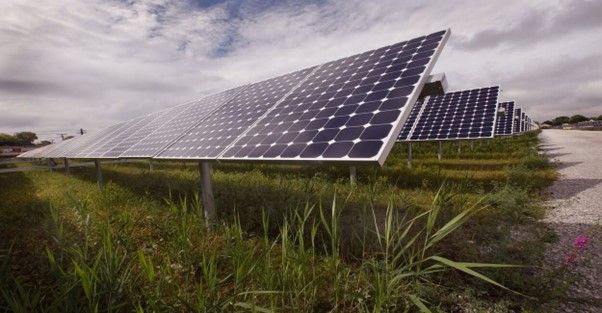
    Solar energy is a clean, renewable source of energy that has a significantly lower environmental impact than traditional forms of energy, such as coal and oil. However, like any other form of energy production, solar energy can have an impact on wildlife and biodiversity.

    The construction and operation of solar power plants can lead to the loss and fragmentation of wildlife habitat. This can result in the displacement and disruption of wildlife populations, and in some cases, it can even lead to the extinction of certain species. For example, solar farms can disrupt bird habitats and migration patterns, and they can also impact the breeding and foraging patterns of desert tortoises, which are considered a threatened species.

    In addition, the construction of solar farms can also lead to soil erosion and other forms of land degradation. This can impact the quality and availability of food and water for wildlife, and it can also lead to a loss of biodiversity in the affected area.

    However, there are measures that can be taken to minimize the impact of solar energy on wildlife and biodiversity. For example, solar power plants can be located on land that has already been disturbed or degraded, such as former industrial sites or agricultural lands that are no longer in use. This can help to minimize the impact on natural habitats and reduce the loss of biodiversity.

    Furthermore, the design of solar power plants can also be modified to reduce their impact on wildlife. For example, solar panels can be installed on raised platforms to create shaded areas that can provide habitat for wildlife. Additionally, measures such as bird diverters and wildlife fencing can be implemented to help reduce the risk of bird and animal collisions with solar panels.

    Solar Farms And Wildlife

    Solar farms can have both negative and positive impacts on wildlife, depending on various factors such as the location of the solar farm, the design of the solar panels, and the measures taken to mitigate the impact on wildlife.

    One of the main negative impacts of solar farms on wildlife is the loss and fragmentation of natural habitats. Solar farms often require a large amount of land to be cleared and leveled, which can lead to the destruction of ecosystems and displacement of wildlife populations. For example, solar farms can impact the migration patterns of birds and disrupt the breeding and foraging patterns of desert tortoises.

    However, there are measures that can be taken to minimize the impact of solar farms on wildlife. For example, solar panels can be installed on raised platforms to create shaded areas that can provide habitat for wildlife. Additionally, measures such as bird diverters and wildlife fencing can be implemented to help reduce the risk of bird and animal collisions with solar panels.

    Furthermore, solar farms can also have positive impacts on wildlife and biodiversity. By reducing the reliance on fossil fuels, solar energy can help to reduce greenhouse gas emissions, which can mitigate the impacts of climate change on wildlife and their habitats. Additionally, solar farms can provide opportunities for the restoration of degraded or disturbed lands, which can help to increase biodiversity and provide new habitats for wildlife.

    Effects Of Solar Energy On Wildlife

    Solar energy can have both positive and negative effects on wildlife, depending on various factors such as the location and design of solar power facilities and the measures taken to minimize their impacts on wildlife.

    One of the main negative impacts of solar energy on wildlife is the loss and fragmentation of natural habitats. Solar power facilities often require a large amount of land to be cleared and leveled, which can lead to the destruction of ecosystems and displacement of wildlife populations. For example, solar power facilities can impact the migration patterns of birds and disrupt the breeding and foraging patterns of desert tortoises.

    In addition, the construction and operation of solar power facilities can lead to noise and light pollution, which can disturb wildlife behavior and disrupt natural habitats. Solar panels can also attract insects, which can attract predators and disrupt the natural food chain.

    However, there are measures that can be taken to minimize the impact of solar energy on wildlife. For example, solar panels can be installed on raised platforms to create shaded areas that can provide habitat for wildlife. Additionally, measures such as bird diverters and wildlife fencing can be implemented to help reduce the risk of bird and animal collisions with solar panels.

    Furthermore, solar energy can also have positive impacts on wildlife and biodiversity. By reducing the reliance on fossil fuels, solar energy can help to reduce greenhouse gas emissions, which can mitigate the impacts of climate change on wildlife and their habitats. Additionally, solar power facilities can provide opportunities for the restoration of degraded or disturbed lands, which can help to increase biodiversity and provide new habitats for wildlife.

    Solar Energy And Animal Habitats

    Solar energy can have both positive and negative effects on animal habitats, depending on various factors such as the location and design of solar power facilities and the measures taken to minimize their impacts on habitats.

    One of the main negative impacts of solar energy on animal habitats is the loss and fragmentation of natural habitats. Solar power facilities often require a large amount of land to be cleared and leveled, which can lead to the destruction of ecosystems and displacement of animal populations. For example, solar power facilities can impact the migration patterns of birds and disrupt the breeding and foraging patterns of desert tortoises.

    However, there are measures that can be taken to minimize the impact of solar energy on animal habitats. For example, solar panels can be installed on raised platforms to create shaded areas that can provide habitat for animals. Additionally, measures such as bird diverters and wildlife fencing can be implemented to help reduce the risk of animal collisions with solar panels.

    Furthermore, solar energy can also have positive impacts on animal habitats. By reducing the reliance on fossil fuels, solar energy can help to reduce greenhouse gas emissions, which can mitigate the impacts of climate change on animal habitats. Additionally, solar power facilities can provide opportunities for the restoration of degraded or disturbed lands, which can help to increase biodiversity and provide new habitats for animals.

    Solar Panel Impact On Biodiversity

    Solar panels can have both positive and negative impacts on biodiversity, depending on various factors such as the location and design of solar power facilities and the measures taken to minimize their impacts on biodiversity.

    One of the main negative impacts of solar panels on biodiversity is the loss and fragmentation of natural habitats. Solar power facilities often require a large amount of land to be cleared and leveled, which can lead to the destruction of ecosystems and displacement of wildlife populations. For example, solar power facilities can impact the migration patterns of birds and disrupt the breeding and foraging patterns of desert tortoises.

    In addition, the construction and operation of solar power facilities can lead to noise and light pollution, which can disturb wildlife behavior and disrupt natural habitats. Solar panels can also attract insects, which can attract predators and disrupt the natural food chain.

    However, there are measures that can be taken to minimize the impact of solar panels on biodiversity. For example, solar panels can be installed on raised platforms to create shaded areas that can provide habitat for wildlife. Additionally, measures such as bird diverters and wildlife fencing can be implemented to help reduce the risk of bird and animal collisions with solar panels.

    Furthermore, solar energy can also have positive impacts on biodiversity. By reducing the reliance on fossil fuels, solar energy can help to reduce greenhouse gas emissions, which can mitigate the impacts of climate change on biodiversity. Additionally, solar power facilities can provide opportunities for the restoration of degraded or disturbed lands, which can help to increase biodiversity and provide new habitats for wildlife.

    Protecting Wildlife At Solar Facilities

    Protecting wildlife at solar facilities is an important consideration to ensure the sustainable development of renewable energy. There are various measures that can be implemented to minimize the impact of solar facilities on wildlife and promote coexistence.

    One of the most effective ways to protect wildlife is to carefully select the location of solar facilities. Solar facilities should be located in areas that have a minimal impact on wildlife and their habitats. Environmental assessments can be conducted to determine the potential impact of solar facilities on wildlife and their habitats.

    Another important measure is to use design features that reduce the risk of wildlife interactions with solar panels. For example, solar panels can be installed on raised platforms or with a tilted angle to reduce the likelihood of wildlife collisions. Additionally, bird diverters and wildlife fencing can be installed to deter wildlife from entering the solar facility.

    Furthermore, regular monitoring and maintenance of the solar facility can help identify any wildlife interactions and allow for the implementation of appropriate mitigation measures. For example, if bird strikes are detected, additional bird diverters or netting can be installed to reduce the risk of collisions.

    In addition, incorporating wildlife habitat features into solar facility design can help promote coexistence between solar facilities and wildlife. For example, planting vegetation or creating wetlands can provide habitat for wildlife and promote biodiversity.

    Solar Energy And Species Diversity
    Solar energy can have both positive and negative impacts on species diversity. The impact of solar energy on species diversity depends on various factors such as the location, design, and operation of solar power facilities.

    One of the most significant negative impacts of solar energy on species diversity is the loss and fragmentation of natural habitats. Large-scale solar power facilities often require a significant amount of land to be cleared and leveled, which can lead to the destruction of ecosystems and displacement of wildlife populations. This can result in a decrease in the number of species and a loss of biodiversity in the area.

    Additionally, the construction and operation of solar power facilities can lead to noise and light pollution, which can disturb wildlife behavior and disrupt natural habitats. For example, the bright lights of solar facilities can attract nocturnal animals and affect their behavior, leading to changes in species composition and diversity.

    However, there are also potential positive impacts of solar energy on species diversity. By reducing the reliance on fossil fuels, solar energy can help mitigate the impacts of climate change, which is one of the biggest threats to species diversity worldwide. Additionally, solar power facilities can provide opportunities for the restoration of degraded or disturbed lands, which can help to increase biodiversity and provide new habitats for wildlife.

    Furthermore, there are measures that can be taken to minimize the negative impacts of solar energy on species diversity. For example, solar facilities can be designed and located in ways that minimize their impact on wildlife and their habitats. Measures such as bird diverters and wildlife fencing can be implemented to help reduce the risk of bird and animal collisions with solar panels.

    Bottom Line
    In conclusion, protecting wildlife at solar facilities is an important consideration for the sustainable development of renewable energy. By carefully selecting the location of solar facilities, using design features that reduce the risk of wildlife interactions with solar panels, regular monitoring and maintenance, and incorporating wildlife habitat features into solar facility design, we can promote coexistence between solar facilities and wildlife.

  • THE ROLE OF AI AND SMART TECH IN OPTIMIZING SOLAR ENERGY USE

    THE ROLE OF AI AND SMART TECH IN OPTIMIZING SOLAR ENERGY USE

    Discover how AI is revolutionizing solar energy management. Learn about smart technology’s role in optimizing efficiency and reducing costs. Start your journey to sustainable energy today!

    Solar energy is a rapidly growing source of renewable energy. It is a clean and sustainable alternative to fossil fuels. However, managing solar energy systems can be complex. This is where artificial intelligence (AI) and smart technology come in.

    AI and smart technology can improve the efficiency and reliability of solar energy systems and reduce their cost.  In recent years, there has been a significant increase in the adoption of solar energy technology in Kenya, driven by economic and environmental factors. 

    As the amount of solar energy generation in Kenya continues to grow, effective management tools are needed to ensure the grid remains stable and reliable. Artificial intelligence (AI) and smart technology can be crucial in this.

    How AI and smart technology work

    AI and smart technology can collect and analyse data from solar energy systems, allowing them to optimise their performance.

    For example, AI can predict the sunlight available on a given day. This information can then adjust the solar energy system’s output.

    AI can also detect and diagnose solar energy system problems, helping prevent downtime and reduce maintenance costs.

    AI in solar energy

    AI refers to developing computer systems that can perform tasks that typically require human intelligence, such as learning, reasoning, and problem-solving. In the context of solar energy, AI can be used to optimize various aspects of solar system management, including:  

    • Predicting solar irradiance: AI algorithms can accurately predict solar irradiance by analysing historical weather data, satellite imagery, and other relevant factors. This information can be used to optimise solar system operation and maximise energy production.
    • Fault detection and maintenance: AI-powered monitoring systems can detect faults in solar systems and predict potential maintenance issues. This can reduce downtime and ensure solar systems operate at peak efficiency.
    • Improving system efficiency: AI can optimize solar systems’ performance by adjusting their operating parameters in real-time based on changing conditions. This can help improve their overall efficiency and output.
    • Cybersecurity: AI can detect and prevent cyberattacks on solar energy systems, helping to protect the system’s integrity and ensure its continued operation.
    • Optimizing energy storage: AI can help manage energy storage systems, such as batteries, by predicting energy demand and ensuring that stored energy is used efficiently. This can reduce reliance on the grid and improve the overall stability of the power system.
    • Energy Demand Forecasting: AI-driven forecasting models analyze historical energy consumption patterns, weather conditions, and real-time energy usage to predict future demand. This allows homeowners, businesses, and utility companies to optimize energy distribution, reduce waste, and improve grid stability.

    Embrace the energy efficiency revolution by upgrading your solar systems and adding a battery or solar inverters with Petersol Energy Limited. Petersol Energy Limited helps Kenyan home and business owners receive personalized solar quotes through our large network of high-quality solar installers.
    With our 3 free solar quotes, you can compare plans from pre-qualified and vetted installers in your area and find the perfect solution for your home and business.

    Smart solar systems

    Smart solar systems are equipped with advanced technology that enables them to communicate with each other and the broader energy grid. This connectivity allows for greater flexibility and control and can help improve solar systems’ overall performance.

    Some of the key features of smart solar systems include:

    • Remote monitoring and control: Smart solar systems can be monitored and controlled remotely, allowing greater flexibility and convenience. This can also help to reduce maintenance costs and improve system reliability.
    • Integration with the grid: Smart solar systems can be integrated with the broader energy grid, allowing them to participate in demand response programs and other grid services. This can help to improve grid stability and reduce the need for new power plants.
    • Self-healing capabilities: Smart solar systems can be equipped with self-healing capabilities, which allow them to detect and correct faults automatically. This can help reduce downtime and improve system reliability.
    • Smart Inverters: Traditional inverters convert solar-generated DC electricity into AC for home use, but smart inverters take this a step further. These intelligent devices can communicate with the grid, regulate voltage fluctuations, and improve overall energy distribution. This enhances grid stability and minimizes energy losses.
    • IoT-Enabled Solar Systems: The Internet of Things (IoT) allows solar systems to be monitored and controlled remotely via smart devices. IoT-enabled solar panels collect real-time data on energy production, efficiency levels, and environmental factors. Users can track their energy consumption through mobile apps and make adjustments to optimize savings.
    • Smart Battery Storage: Energy storage is a critical component of solar power systems, ensuring a stable electricity supply even when the sun isn’t shining. AI-integrated smart batteries learn from usage patterns and weather forecasts to optimize charging and discharging cycles. This helps homeowners and businesses maximize self-consumption and reduce reliance on the grid.

    Solar energy technology

    Solar energy technology constantly evolves, with new and innovative solutions constantly developed. Some of the latest advances in solar energy technology include:

    • Perovskite solar cells: Perovskite solar cells are a promising new type of solar cell with the potential to achieve higher efficiencies than traditional silicon-based cells.
    • Concentrated solar power (CSP): CSP systems use mirrors to concentrate sunlight onto a receiver, which can then be used to generate steam or heat. CSP systems are particularly well-suited for large-scale solar power generation.
    • BIPV (Building-Integrated Photovoltaics): BIPV systems integrate solar panels into the building envelope, such as roofs or facades. This can help reduce solar systems’ visual impact and improve their aesthetic appeal.

    Smart solar power

    Smart solar power refers to using AI and smart technology to optimise the management and operation of solar energy systems. It can improve solar energy’s efficiency, reliability, and cost-effectiveness, making it a more attractive option for residential and commercial customers.

    Key roles of AI and smart technology in solar energy management

    1. Predictive maintenance: AI algorithms can analyse vast amounts of data from solar power plants to predict equipment failures and maintenance needs. By identifying potential issues in advance, unnecessary downtime and costly repairs can be avoided.
    2. Real-time monitoring and optimisation: AI-powered monitoring systems can track the performance of solar panels and inverters in real time, identifying inefficiencies and optimising energy production. This enables solar plant operators to make data-driven decisions and maximise energy output.
    3. Energy forecasting: AI models can accurately predict solar energy generation based on weather forecasts and historical data. This helps grid operators and energy consumers to balance supply and demand, reducing the need for fossil fuels and improving grid stability.
    4. Intelligent grid integration: AI-enabled smart grids can seamlessly integrate solar energy with other renewable sources and traditional power plants. By optimising energy flow and managing demand, AI helps ensure a reliable and sustainable energy supply.
    5. Fault detection and diagnosis: AI algorithms can analyse sensor data and detect anomalies in solar power systems, identifying faults quickly and accurately. This reduces downtime and facilitates efficient troubleshooting.
    6. Optimisation of energy storage: AI can optimise the management of energy storage systems, such as batteries, to maximise efficiency and lifespan. By intelligently controlling charging and discharging cycles, AI ensures that stored energy is used optimally.
    7. Demand-side management: AI-powered platforms can analyse consumer behaviour and energy usage patterns to optimise solar energy demand. By incentivising energy consumption during peak solar generation times, AI helps reduce grid strain and maximise the utilisation of renewable energy.
    8. Remote monitoring and control: AI-enabled remote monitoring and control systems allow solar plant operators to monitor and manage their assets from anywhere in the world. This reduces operational costs and improves overall efficiency.
    9. Advanced analytics: AI-powered analytics tools can extract valuable insights from solar plant data, enabling operators to identify trends, optimise performance, and make informed business decisions.
    10. Financial modelling and risk management: AI can be used to develop financial models that assess the profitability and risk associated with solar energy investments. By analysing market trends and predicting future scenarios, AI helps investors make informed decisions.
    11. Virtual Power Plants: AI and smart technology can create virtual power plants (VPPs), where multiple distributed solar energy systems are aggregated and managed as a single entity. VPPs can participate in energy markets, providing grid services and increasing the value of solar energy.

    Benefits of AI and smart technology in solar energy management

    There are several benefits to using AI and smart technology in solar energy management. These include:

    • Improved system performance: AI can optimise the performance of solar energy systems by adjusting their output to match demand. This can help reduce energy costs and improve system efficiency.
    • Reduced costs: AI can help to reduce the costs associated with solar energy systems by identifying and correcting faults, optimising energy consumption, and reducing maintenance requirements.
    • Improved grid stability: AI can help stabilise the grid by managing the flow of solar energy into and out of the system, preventing blackouts and brownouts.
    • Increased reliability: AI can improve the reliability of solar energy systems by monitoring their performance and identifying potential problems before they occur.
    • Enhanced security: AI can enhance the security of solar energy systems by detecting and preventing cyberattacks.

    Future of AI and smart technology in solar energy management

    The future of AI and smart technology in solar energy management is bright. As the technology continues to develop, we can expect to see even more innovative applications in this area. For example, AI may be used to develop self-healing solar energy systems that can automatically repair themselves in case of a fault. Additionally, AI may be used to develop solar energy systems that can operate independently of the grid, providing backup power in the event of a power outage.

    Conclusion

    AI and smart technology are transforming the way we harness and utilize solar energy. From enhancing panel efficiency to optimizing energy storage and grid integration, these innovations are making solar power more viable than ever before. As technology continues to evolve, the synergy between AI and solar energy will play a pivotal role in achieving a sustainable and energy-efficient future.

    Going solar

    Are you looking to save money on your electricity bills and reduce your carbon footprint? Solar energy is the perfect solution! Petersol Energy Limited is here to guide you in every step of your solar journey. Contact us through call/ whatsapp 0711713999 or Email us at info@petersol.co.ke

  • Should You Lease or Buy Solar Panels?

    Should You Lease or Buy Solar Panels?

    Should You Lease or Buy Solar Panels?

    Solar Panel Leasing vs. Buying

    Switching to solar energy is a great way to save money on your electricity bills, reduce your carbon footprint, and increase your energy independence. One of the decisions you’ll get to make in your transition to solar is whether to lease or buy your solar panels. Both options have their own set of advantages and disadvantages, and the best choice for you will depend on your financial and energy goals.

    Initial Costs and Expenses

    One of the biggest differences between leasing and buying solar panels is the upfront cost. When you purchase a solar panel system outright, you’re responsible for the entire cost of the equipment and installation, which can range from Ksh 101,000 to Ksh 350,000, or more, depending on the size of the system and your location. This initial investment can be a barrier for some homeowners, though many solar companies can introduce you to financing options so you can spread this cost out in monthly payments over a fixed period of time..

    On the other hand, leasing solar panels typically requires little to no upfront costs. Instead of purchasing the system, you enter into a lease agreement with a solar company, which owns and services the panels. You then pay a fixed monthly lease payment for using the system and the electricity it generates. This can make solar energy more accessible to those who don’t have the capital for a large upfront investment.

    However, it’s important to consider the long-term financial implications of buying versus leasing. While leasing may seem more affordable initially, you won’t own the system at the end of the lease term, and you may miss out on financial benefits like tax credits and increased home value.

    Ownership and Lease Contract Terms

    When you buy a solar panel system, you own it outright, just like any other appliance in your home. This gives you complete control over the system and its operation. You’re free to make any modifications or upgrades you want, and you can sell the system along with your house if you decide to move.

    Owning a solar panel system also comes with responsibilities. You’re responsible for all maintenance and repairs, which can add to your expenses. You also need to ensure that the system is properly insured and that you understand the warranty terms.

    On the other hand, leasing solar panels involves entering into a contract with a solar company for a set period, typically 20-25 years. During this time, the solar company owns and services the system, and you pay a fixed monthly lease payment. This can provide peace of mind, as you don’t have to worry about unexpected repair costs or system performance issues.

    Lease contracts can be complex and contain various terms and conditions that you need to understand before signing. These may include restrictions on selling your home, penalties for early termination, and limitations on system upgrades or modifications. Before signing, make sure you carefully review the lease agreement and seek professional advice if needed to ensure that it aligns with your long-term goals.

    Long-Term Financial Benefits

    One of the most compelling reasons to go solar is the potential for long-term financial benefits. When you buy a solar panel system, you can effectively significantly reduce your electricity bills, saving you thousands of shillings over the lifespan of the system.

    Leasing solar panels can also lead to cost savings if your monthly lease payments are lower than your average electricity bill. However, you won’t benefit from the tax credits and other incentives available to system owners.

    To make an informed decision, calculate the long-term financial outcomes of both leasing and buying, taking into account factors like electricity rates, system lifespan, maintenance costs, and available incentives. You can use online calculators or consult with a solar professional to help you with this analysis.

    Impact on Property Value

    Studies have shown that installing solar panels can increase the value of your home. This is because solar panels are seen as a desirable feature that can lower energy costs and reduce environmental impact. The amount of value added can vary depending on the size of the system, its efficiency, and the local real estate market.

    Buying solar panels lets you reap the full benefits of this increased property value. If you decide to sell your home, you can typically recoup a portion of your initial investment through a higher selling price.

    Leasing solar panels can also have a positive impact on property value but to a lesser extent. Since you don’t own the system, the added value is typically lower than if you had purchased it outright. Additionally, selling a home with a leased solar panel system can be more complex, as you’ll need to transfer the lease agreement to the new owner or buy out the system before selling.

    Maintenance and Repairs

    Solar panels are generally low-maintenance and require minimal upkeep. When you buy a solar panel system, you’re responsible for any necessary maintenance, such as cleanings, if necessary in your region to clear tree debris or snow, ensuring there is no critter damage, and keeping an eye on performance. Typically a manufacturer’s warranty will cover any repairs needed due to product failures.

    When you lease your solar panels, you are typically responsible for basic maintenance, while more serious repairs are usually covered by a manufacturer’s warranty. This means that the solar company is responsible for servicing the system if it breaks, and you don’t have to worry about unexpected repair costs. The solar leasing company, after all, owns the electrical production and therefore is incentivized to keep the panels in working order. However, it’s important to understand the terms of the lease agreement and what is covered under the service plan.

    System Performance and Efficiency

    Solar panel efficiency refers to the amount of sunlight that is converted into electricity by the panels. Over time, solar panel efficiency can decline due to factors like wear and tear and environmental conditions. However, most modern solar panels come with performance warranties that guarantee a certain level of efficiency for a set period, typically 25 years or more.

    Once you’ve purchased your solar system, you can monitor its performance and efficiency over time using monitoring software or apps. This allows you to track your energy production, identify any potential issues, and ensure that your system is operating at its best.

    Lease agreements for solar panels usually include monitoring services. The solar company will monitor the system’s performance and should address any issues that may arise. However, you may have limited access to the monitoring data and may not be able to make any changes to the system’s settings or configuration.

    Flexibility and Scalability

    Your energy needs may change over time due to factors like family size, lifestyle, or the addition of new appliances. When you buy a solar panel system, you have the flexibility to upgrade or scale your system as needed. You can add more panels, replace old ones, or upgrade your inverter to meet your evolving energy demands.

    Choosing to lease solar panels typically offers less flexibility in terms of upgrades or modifications. The lease agreement may restrict your ability to make changes to the system, and you may need to negotiate with the solar company for any upgrades or additions.

    Environmental Considerations

    Solar energy is a clean and renewable energy source that can reduce your carbon footprint. By switching to solar, you can reduce your reliance on fossil fuels and contribute to a healthier environment. Both leasing and buying solar panels can have a positive environmental impact.

    When you buy a solar panel system, you’re directly investing in renewable energy and reducing your environmental impact. You’re also supporting the growth of the solar industry and contributing to a more sustainable future.

    Energy Independence and Security

    Solar panels can help you achieve greater energy independence and security. Generating your own electricity helps to reduce your reliance on the grid and protects you from rising energy costs. This can be particularly beneficial in areas with frequent power outages.

    After buying your solar panel system, you have greater control over your energy production and can customize your system to meet your specific needs. You can also add battery storage to your system to further enhance your energy independence and ensure a continuous power supply even during grid outages.

    Leasing solar panels can also provide a level of energy independence, but the lease agreement may restrict your ability to add battery storage or other features that can enhance your energy security.

    Duration of Lease vs. System Lifespan

    Solar panels have a long lifespan, typically 25-30 years or more. You can expect to enjoy decades of clean energy and cost savings when you buy your solar panel system. If you lease your solar panels, it’s important to consider the duration of your lease agreement.

    Lease agreements typically range from 20-25 years, which is comparable to the lifespan of most solar panels. However, if you decide to move before the end of the lease term, you may face challenges in transferring the lease to the new owner or buying out the system.

    Transferability in Case of Moving

    If you decide to move after installing solar panels, you’ll need to consider how to handle the system. When you buy a solar panel system, you can sell it along with your house and transfer ownership to a home buyer. This can be a selling point for your home, as the new owner will benefit from the existing solar installation and its associated cost savings.

    Leasing solar panels can be more complicated when moving. You’ll need to either transfer the lease agreement to the new owner or buy out the system before selling your home. This can add complexity to the selling process and may deter some potential buyers.

    Electricity Cost Savings Over Time

    One of the primary benefits of solar panels is the potential for electricity cost savings over time. By generating your own electricity, you can reduce or eliminate your reliance on the grid and avoid rising energy costs. The amount of savings you can achieve will depend on factors like your energy consumption, the size of your system, and local electricity rates.

    When you buy a solar panel system, you can project your electricity cost savings over the lifespan of the system using online calculators or by consulting with a solar professional. This can help you understand the long-term financial benefits of your investment and make informed decisions about your energy consumption.

    Leasing solar panels can also lead to cost savings if your monthly lease payments are typically lower than your average electricity bill. However, you won’t own the system at the end of the lease term, and your savings may be limited by the terms of the lease agreement.

    End of Lease Options

    Once your solar panel lease term comes to an end, you’ll have a few options:

    • Renew the lease: You can renew the lease for another term, typically at a lower monthly payment.
    • Purchase the system: You can purchase the system at its fair market value at the end of the lease term.
    • Remove the system: The solar company will remove the system from your property.

    Each option has its pros and cons, and the best choice for you will depend on your circumstances and financial goals. It’s important to understand your end-of-lease options before signing a lease agreement and to plan for the long-term viability of your solar investment.

    Making the Best Choice for Your Needs

    Choosing between leasing and buying solar panels is a big decision that requires careful consideration of your financial goals, energy needs, and lifestyle. Both options have advantages and disadvantages, and the best choice for you will depend on your individual circumstances.

    Ready to go solar? Calculate your solar savings.