
Green Energy: Meaning, Definition & Examples
Not all energy is created equal. And as everyday energy consumers, we all should know where our energy is coming from and its effect on the environment. Fortunately, we now have the power not only to find out where our energy is coming from but, in many cases, choose where it comes from, too.
Let’s start by looking at the definition of green energy; then, we’ll explore its benefits and much more.
What does green energy mean?
Green energy is a term for energy that comes from renewable sources. Green energy is often referred to as clean, sustainable, or renewable energy. The production of green energy doesn’t release toxic greenhouse gases into the atmosphere, meaning it causes little or no environmental impact.
Why is it called green energy?
Green energy got its name because it comes from natural resources provided to us by the Earth. The color green is often associated with health, nature and sustainability, so it makes sense that renewable energy is related to the color that embodies nature.
What is green energy and how does it work?
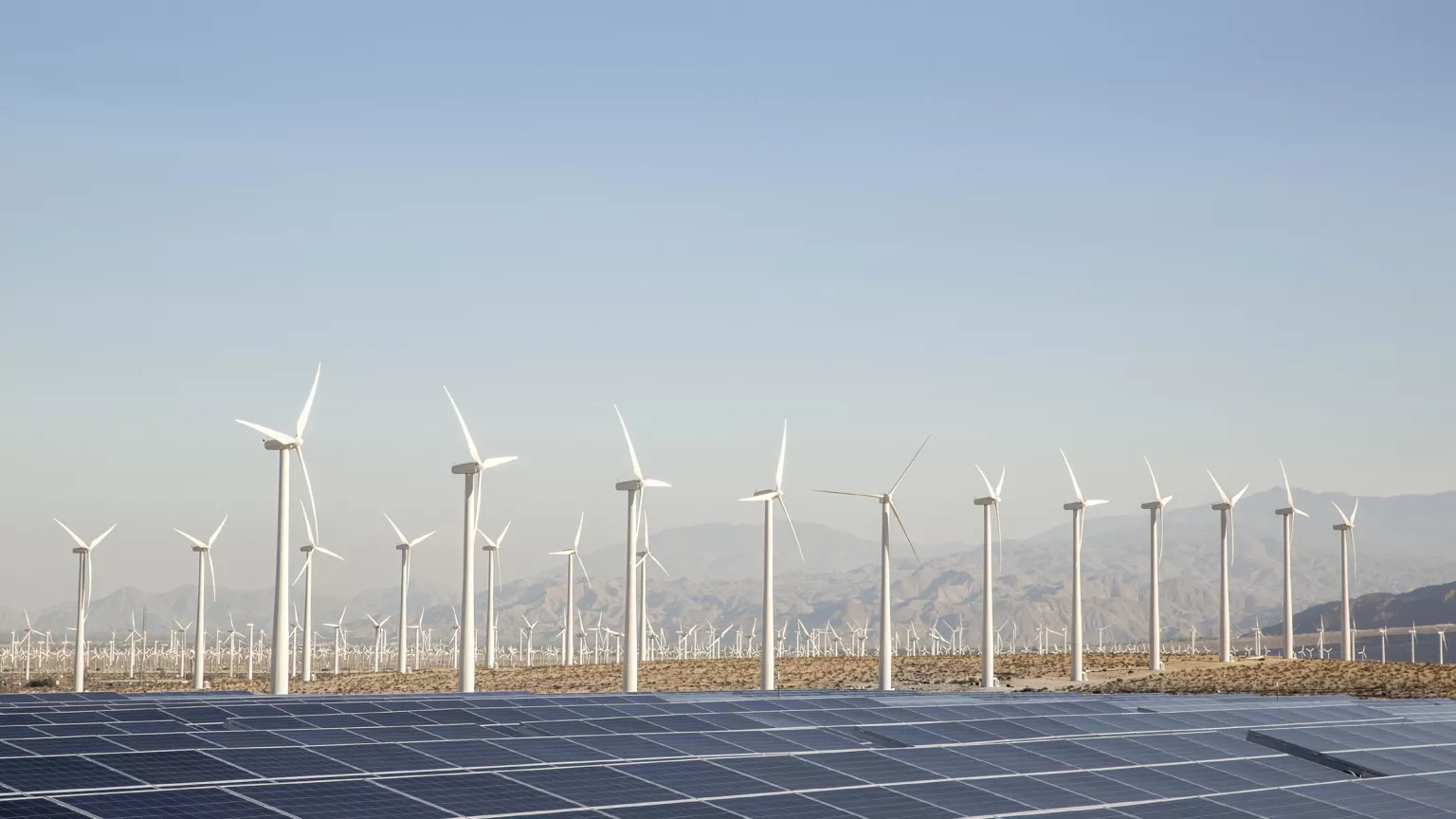
Green energy comes from natural resources like water, wind and sun, which provide the energy we turn into electricity.
Let’s take a closer look at each green energy source and how they work:
- Solar energy: Solar panels use silicone sheets with energy-absorbing cells to convert sunlight into electricity. Solar power is a relatively accessible resource, and people can harness solar power industrially or individually by installing solar panels on buildings and homes.
- Wind power: Wind turbines generate kinetic energy that we then use to create electricity. The harnessing of wind power doesn’t require much human labor, and it is known as one of the most environmentally friendly resources.
- Hydropower: Hydropower plants capture kinetic energy from the currents flowing in streams and rivers. This is done through the use of a turbine built into a dam.
- Biomass: Energy can be generated from agricultural, urban and industrial waste. Biomass can be harnessed by burning wood and energy crops grown specifically for this purpose. Wheat, sugar beet, sugar cane and maize are often fermented to produce bioethanol.
- Geothermal: The heat held within the fluids and rocks beneath the Earth’s crust can create energy. To harness geothermal energy from the steam and hot water, workers dig mile-deep wells into underground reservoirs. They then use this steam and hot water to power turbines connected to electricity generators.
What are the benefits of green energy?
For many people and organizations, green energy’s main draw is that it’s less harmful to the environment. Green energy sources like wind and solar power are superior options for avoiding harmful greenhouse gas emissions. While installing wind turbines on homes may not be possible, we can choose utility providers that supply green energy.
Green energy is also better for our physical health as it is far less responsible for polluting our air and water. According to the World Health Organization, household and ambient air pollution causes 4.2 million deaths around the world annually. Most of these deaths occurred in low- to middle‐income countries, especially Southeast Asia and the Western Pacific regions.
For this reason, we must focus more on renewable energy sources that cause less damage than their unsustainable counterparts, especially in less affluent countries.
Green energy sources like wind energy and solar power are far more sustainable options compared to fossil fuels. They offset the emissions of oxide, nitrogen dioxide and sulfur dioxide, saving substantial health issues. Renewable energy is also responsible for job creation, employing nearly 500,000 people in the U.S. in 2021.
Another advantage of green energy is that the naturally occurring resources used to harness this renewable energy will not deplete over time. Solar power is available as long as the sun continues to shine, wind energy is possible as long as the wind is blowing, and hydropower will exist as long as lakes, streams and rivers continue to flow. Each resource’s consistency and reliability depend on the location; for example, the U.S. is better suited to generate solar power than other countries that receive less direct sunlight. Similarly, windy areas such as plains and the coast will likely yield better energy generation results for wind farms.
What is the best source of green energy?
It is hard to pinpoint which green energy source is the best. Some experts argue that nuclear power is best because of its energy and space efficiency. Others would say that hydropower is the best because it is the largest renewable energy supplier in the world. It is less important to determine which source of green energy is the best, but instead, it is better to recognize the importance of green energy and its role in our future energy needs.
Why do we need green energy?
Green energy is essential because it produces little to no greenhouse gas emissions. Reducing greenhouse gas emissions will lower air pollution and help curb the devastating effects that fossil fuels have on climate change. Green energy also allows us to diversify our energy supply while reducing our dependence on imported fuels. Investing in green energy also produces jobs, especially for our next generation of workforce.
What is a green energy plan?
Green energy is energy created from natural sources. Therefore, a green energy plan is what residents use to access renewable energy at home.
Is green energy right for me?
Green energy sources are far better for the environment, so if you’re interested in using resources that are healthier and longer-lasting, green energy is undoubtedly right for you.
Resources like wind power are also getting cheaper each year. One U.K. renewable report estimated that electricity generated from onshore wind or solar power could be supplied at half the cost of gas-fired power plants by 2025. This cost reduction often means that utility providers can offer customers fixed prices on energy for up to 25 years, hedging against fluctuating fuel costs.
65